
Introduction
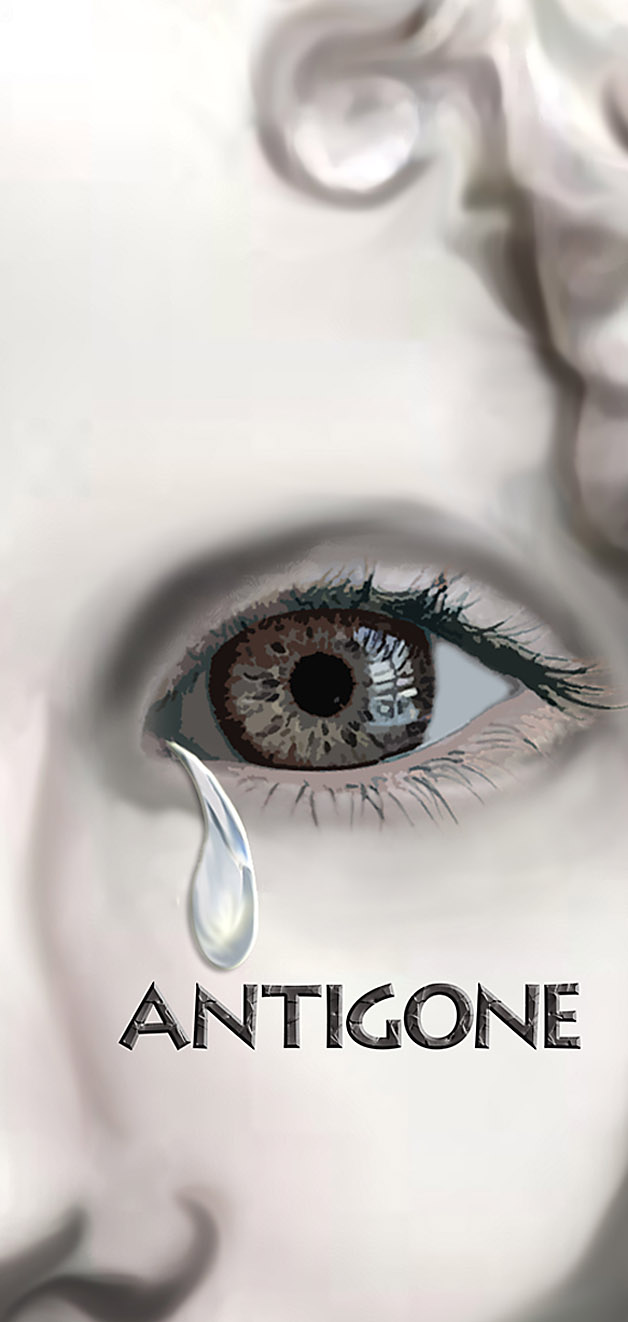
When students think about Ancient Greece 441 bc or Rome 44 bc they shudder because, after all, this was a long, long time ago in a place far, far away-- No this is not the beginning of Star Wars (in a galaxy far, far away) but it might as well be since it is so far removed from your life, right? But is it really, far (far) removed from your life? In actuality, it is more like the old adage: “the more things change, the more they stay the same.” Would it surprise you to know that Antigone and you may be alike in so many ways? No, your father didn’t kill his father and marry his mother; however, there are more similarities than there are differences. And no, you are not secretly plotting to assassinate the leader of the Virgin Islands but maybe you and Brutus have similar interests that are beyond this particular detail. At first glance it would appear that living on an island, in tropical climate where we drive on the left side of the road has no correlation to the people we read about in Antigone or in Julius Caesar. The reality is that the mere fact that we are all human means we share commonality. So let’s find it!
Task
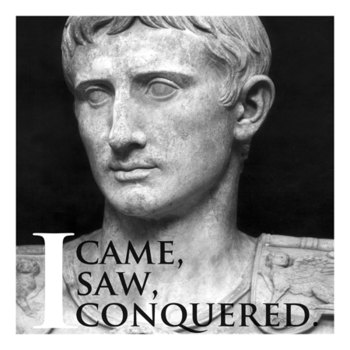
The task for the webquest includes retelling and compiling. You have studied the story behind each of the plays (Antigone and Julius Caesar) so you will compile information, through research, what life was like (music, food, dress style, etc.) and you will retell and explain a fun aspect of life during this time (game, sport, dance). The goal is to twofold: to have extensive information about the time period/characters and to make a connection to the people of the time.
In this quest, you will:
- Choose either Julius Caesar or Antigone for the basis of the research
- Create an electronic character journal (Microsoft Word) which will include:
- character name and description - Age, relationships, facts, etc. (at least six items should be included- the character’s name doesn’t count as an item)
- symbolism - include a visual associated with the character and explanation of symbolism
- analysis of character - including traits, quotations(at least two), vocabulary words (at least two) – written detailed analysis
- character theme tie-in – State a theme, then in three sentences, explain how the character helps support or illustrate a theme in the novel
- imagery to enhance the character journal- (collage style/scrapbook style)
- *Since you will be working in groups you will create 5 character journal submissions.
- Create a tri board displaying life in Rome 44bc or life in Ancient Greece 441bc. You will need to use a Tri-fold board that can stand up on its own
- Including the following:
- music
- Food
- dress style
- values
- entertainment
- rules
- political leaders
- popular authors
- medical discoveries
Teach a game, dance, or sport common during the selected time period to the class. The entire class is expected to take part in the process of learning and doing the game, dance or sport.
Process
 Process for WebQuest:
- Students will be placed in groups (depends on class size)
- Groups will decide if they will explore life in Rome 44bc or Ancient Greece 441bc
- Groups will decide the roles of each student in the group: (suggested roles)
- Editor: This student is in charge of organizing the final product of the project, be it a paper, a presentation, etc. That doesn't mean technical details, but of making sure that the project meets the standards set out by the instructor (often as a rubric), plus any extras stipulated by the group. These standards generally include punctuality and completeness.
- Recorder/Secretary: This person takes notes whenever the group meets and keeps track of group data/sources/etc. This person distributes these notes to the rest of the group highlighting sections relevant for their parts of the project.
- Checker: This person double-checks data, bibliographic sources, or graphics for accuracy and correctness.
- Spokesperson: This person would be responsible for the technical details of the final product and would be ready to summarize the group's progress and findings to the instructor. Additionally, if the group has any questions related to the project this person is the only one to speak to the instructor.
- Timekeeper: This person makes sure that the group stays on track and gets through a reasonable amount of material in the given time period.
- Students visit the websites that pertain to the place they wish to explore and research the information relating to:
- music
- food
- dress style
- values
- entertainment
- rules
- political leaders
- popular authors
- medical discoveries
- a game, dance, or sport common during the selected time period
There is a number of resources listed relating to the topics. The resources include a variety of information including websites, timelines, and pictures. You will need to read through all of the resources and gather information for your group’s tri-board/presentation. You may find some of the resources more useful than others. Remember to pay attention to the details and take notes because you will need this information for your final presentation.
- Groups will compare and contrast each category to their own lives. (E.g. how is the music of Ancient Greece 441bc similar or different to the music we have in the Virgin Islands?) This information will be displayed and presented with their presentation as well.
- Students will determine which game, sport, or dance they will like to teach the class. (additional research can be conducted on youtube.com to see a demonstration-if available- of their choice)
Resources:
- I. Ancient Rome
1. Primary History: Roman
http://www.bbc.co.uk/schools/primaryhistory/romans/
This site is perfect for my special needs students. Information is presented in a manner that is visually appealing and written for a struggling reader. It covers information about the city of Rome, the army, leisure life, family and children, technology, and religion.
2. The Roman Empire
https://www.pbs.org/empires/romans/empire/julius_caesar.html
https://www.pbs.org/empires/romans/empire/life.html
http://www.pbs.org/empires/romans/empire/
These sites cover information about political leaders, popular authors/writers, the role of women, Roman life (including sports, entertainment, family life, wedding, marriage, divorce, home life)
3. Odyssey Online
http://carlos.emory.edu/ODYSSEY/ROME/homepg.html
This site provides information about the private lives of people living in Rome. In addition, students can looks at the homes some of the objects that they made and used every day. Furthermore, students can learn about the theatres, shops, and baths of Rome. This site also provides information about the people and the varying levels of social status.
4. History Learning Site: Roman Education
http://www.historylearningsite.co.uk/medicine_in_ancient_rome1.htmon
This site provides information about the medical practices in Ancient Rome and Roman education.
5. Daily Life in Ancient Rome
http://rome.mrdonn.org/dailylife.html
This site is extremely user-friendly information about the daily life, entertainment, food, toys, and pets of Roman children.
6. Ancient Rome
http://www.ducksters.com/history/ancient_rome_food_daily_life.php
This site covers the food, jobs, and daily lives of Romans.
II. Ancient Greece
1. Primary History: Ancient Greece
http://www.bbc.co.uk/schools/primaryhistory/ancient_greeks/
This site is perfect for my special needs students. Information is presented in a manner that is visually appealing and written for a struggling reader. It covers information about Ancient Greece, arts and theatre, home life, growing up in Greece and sports.
2. Odyssey Online’s Greece
http://carlos.emory.edu/ODYSSEY/GREECE/home.html
I love this site because it is visually stimulating. It provides music and pictures of Greece. Provides information about the political structure, animals, geography, and lifestyle.
3. The Greeks: The Crucible of Civilization
http://www.pbs.org/empires/thegreeks/htmlver/
This site is extensive and would intimidate a below level students, however a student at grade level reading and higher will be thankful for the vast amount of information about Greek politics, writers/ authors, philosophers, and Greek culture.
4. The Ancient Greek World
http://www.penn.museum/sites/greek_world/
This site provides information about daily life, dress style, parties, religion and death.
5. The British Museum
http://www.ancientgreece.co.uk/
This animated and interactive site provides information about festivals and games, artists and great thinkers, and daily life.
6. History of Ancient Greece
http://education-portal.com/academy/topic/ancient-greece-and-hellenism.html
This site provides information about Greek myth and religion, politics, women, and art.

III. Virgin Islands
- A Brief History of the U.S. Virgin Islands and Culture:
http://www.visitusvi.com/culture_history
http://www.vinow.com/general_usvi/culture/
http://www.visitusvi.com/culture_history#Category 1
http://www.visitusvi.com/culture_history#Category 2
- Music and Dance:
http://www.visitusvi.com/culture_history#Category 3
http://www.vinow.com/general_usvi/culture/music.php
http://www.visitusvi.com/culture_history#Category 4
- Food:
http://www.visitusvi.com/culture_history#Category 5
http://www.vinow.com/general_usvi/culture/food.php
- Language
http://www.vinow.com/general_usvi/culture/language.php
- People
http://www.vinow.com/general_usvi/culture/people.php
These links provide brief information about the U.S. Virgin Islands (history, culture, people, music, and food)
Evaluation
Assessment Rubric
|
VISUAL TRI-BOARD PRESENTATION RUBRIC
|
8-7 Points |
6-5 Points |
4-3 Points |
2-1 Points |
|
Time Period
|
All elements are present and effective |
One element is missing/ineffective/weak |
Two elements are missing/ineffective/weak |
Three elements are missing/ineffective/weak |
|
Clarity of Writing
|
All elements are present and effective |
One element is missing/ineffective/weak |
Two elements are missing/ineffective/weak |
Three elements are missing/ineffective/weak |
|
VISUAL TRI-BOARD PRESENTATION RUBRIC
|
8-7 Points |
6-5 Points |
4-3 Points |
2-1 Points |
|
Layout of information
|
All elements are present and effective |
One element is missing/ineffective/weak |
Two elements are missing/ineffective/weak |
Three elements are missing/ineffective/weak |
|
Creativity
|
All elements are present and effective |
One element is missing/ineffective/weak |
Two elements are missing/ineffective/weak |
Three elements are missing/ineffective/weak |
|
VISUAL TRI-BOARD PRESENTATION RUBRIC
|
8-7 Points |
6-5 Points |
4-3 Points |
2-1 Points |
|
Graphics
|
All elements are present and effective |
One element is missing/ineffective/weak |
Two elements are missing/ineffective/weak |
Three elements are missing/ineffective/weak |
|
Grammar/ Mechanics
|
All elements are present and effective |
One element is missing/ineffective/weak |
Two elements are missing/ineffective/weak |
Three elements are missing/ineffective/weak |
Total Points: __________________ out of 48
|
TEACHING OF GAME, DANCE, SPORT RUBRIC
|
8-7 Points |
6-5 Points |
4-3 Points |
2-1 Points |
|
Teaching/ Delivery of Information
|
All elements are present and effective |
One element is missing/ineffective/weak |
Two elements are missing/ineffective/weak |
Three elements are missing/ineffective/weak |
|
Clarity of Directions
|
All elements are present and effective |
One element is missing/ineffective/weak |
Two elements are missing/ineffective/weak |
Three elements are missing/ineffective/weak |
|
TEACHING OF GAME, DANCE, SPORT RUBRIC
|
8-7 Points |
6-5 Points |
4-3 Points |
2-1 Points |
|
Layout of information
|
All elements are present and effective |
One element is missing/ineffective/weak |
Two elements are missing/ineffective/weak |
Three elements are missing/ineffective/weak |
|
Props – If needed or required
|
All elements are present and effective |
One element is missing/ineffective/weak |
Two elements are missing/ineffective/weak |
Three elements are missing/ineffective/weak |
|
TEACHING OF GAME, DANCE, SPORT RUBRIC
|
8-7 Points |
6-5 Points |
4-3 Points |
2-1 Points |
|
Creativity
|
All elements are present and effective |
One element is missing/ineffective/weak |
Two elements are missing/ineffective/weak |
Three elements are missing/ineffective/weak |
|
Safety/ Concern
|
All elements are present and effective |
One element is missing/ineffective/weak |
Two elements are missing/ineffective/weak |
Three elements are missing/ineffective/weak |
Total Points: __________________ out of 48
Conclusion
“History is never antiquated, because humanity is always fundamentally the same.” ~Walter Rauschenbusch
Congratulations! You and your group have completed an amazing journey delving into the lives of either Julius Caesar or Antigone. Understanding what life was like for the people who lived during these times was your first step in understanding how connected we are as people all over the world and during any span of time. Just like their lives, your life will make a great impact on our world, our music, our history, and our culture. As you continue your journey as a student, I challenge each of you to look at the characters you read in your novels, plays, or short stories as people you might meet, have met, or one day become; we are essentially the same and I challenge you to keep trying to find this universal similarity.
Credits
N.d. Photograph. n.p. Web. 2 Mar 2014. <http://aztecpressonline.com/wp-content/uploads/2011/03/Pg-08-Antigone.j…;.

N.d. Photograph. n.p. Web. 2 Mar 2014. <http://www.mrmoore.net/images/greece.jpg>.

N.d. Photograph. n.p. Web. 2 Mar 2014. <http://www.bing.com/images/search?&q=Virgin Islands&qft= filterui:photo-clipart&FORM=R5IR22
N.d. Photograph. n.p. Web. 2 Mar 2014. <http://site.icanvasart.com/LargeArtImage/4103.jpg>.

N.d. Photograph. n.p. Web. 2 Mar 2014. <http://www.bing.com/images/search?q=statues greece&go=&qs=n&form=QBIR&pq=statues greece&sc=0-0&sp=-1&sk=