
Introduction
In this unit, students will be able to know and indentify in english the names of animals and also identify different types of sounds, the size of animals, different species of animales (farm, domestics, jungle, etc) and products from animals.
_30.jpg)
The unit "talking about animales" the student develops abilities and acquire knowledge about the topic and also how to use the information in real life situations.
- This unit has the four skills: listening, writing, reading and speaking.
- This unit has exercises, guides, videos and everything that the student needs to know about animals. Vocabulary (tiger, lion, koala, cow, among others), grammar, etc.
ENGLISH IS FUN!!!
Task
THE TASK
Your task is to work as a team and be proactive all the time
- Learn about different species of animals and their sounds.
- Learn all that you can about identify animals, write their names and draw your favorite animal an why.
- See animal's photographies and recognize also, which animal is it?
- Create a poster in which you have to choose an animal and put the characteristics, size, sound, specie and why you choose it.
Process
The Process
Phase One:
At this early stage, the student will know and identify animals in English.
Skills: listening, speaking, reading and writing.
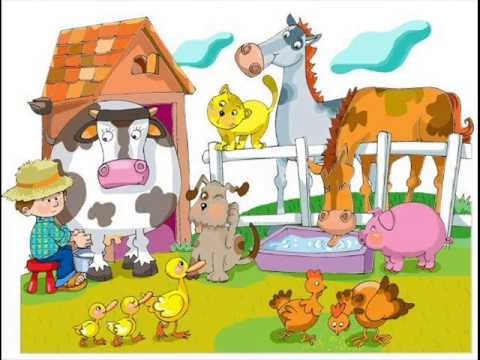
We will know the farm animals.
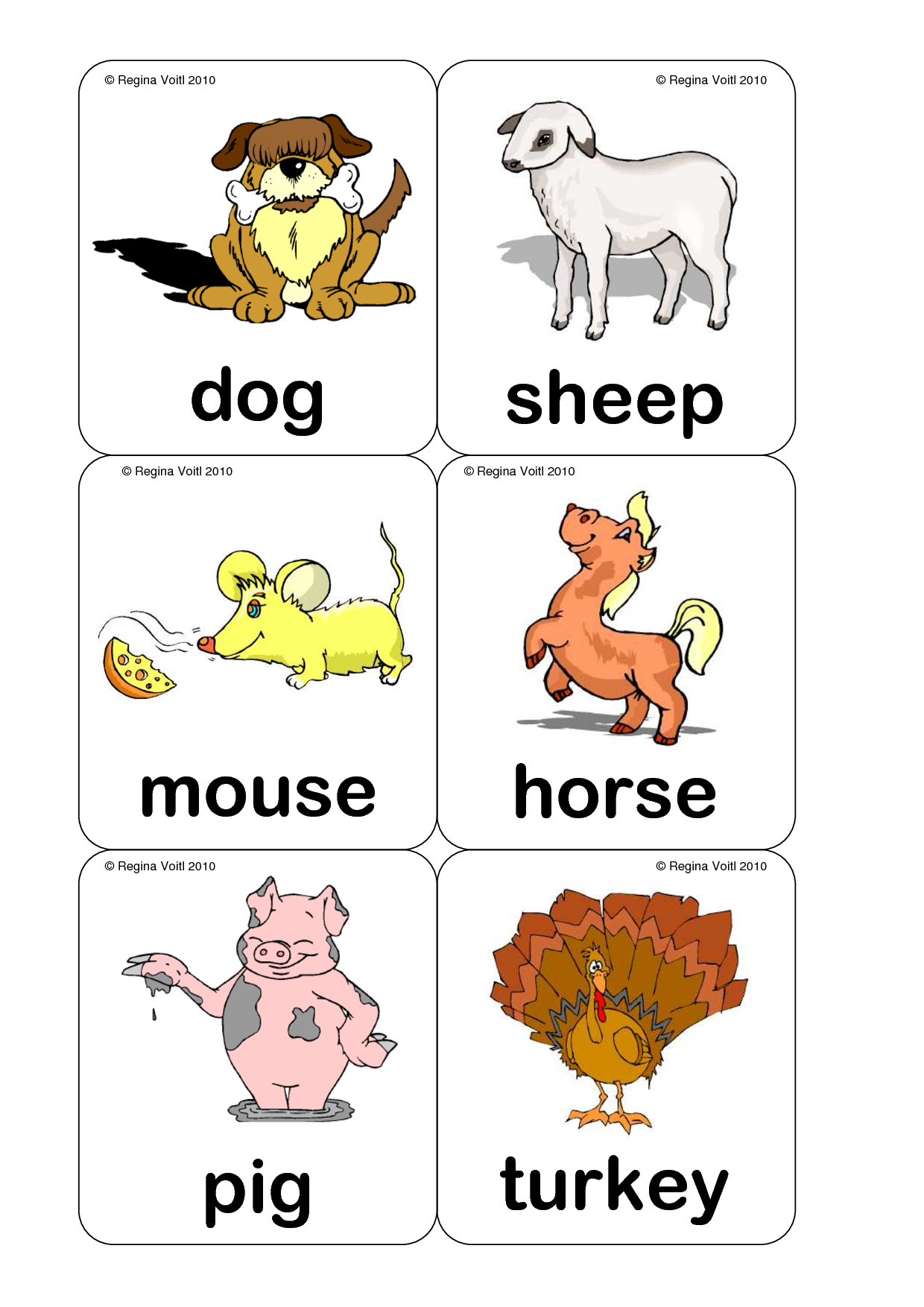
Warm-up: Check previous knowledge of the subject. Asking the student animals' names. Then, flashcards of some animals.
Activity 1. Which animal is it? Look at the dog, sheep, horse, mouse, etc. See and describe the images
Activity 2. What colour is the horse, sheep, pig and mouse? It´s brown, white and
black, pink, white, etc.
Using this example: The colour of the dog is .......
Phase Two:
Activity 3: Draw your favourite farm animal. Which is it?
Activity 4: See and listen the next video and take note about new vocabulary. Practice your pronunciation.
https://www.youtube.com/watch?v=fabN4WXE7wk
Phase Three:
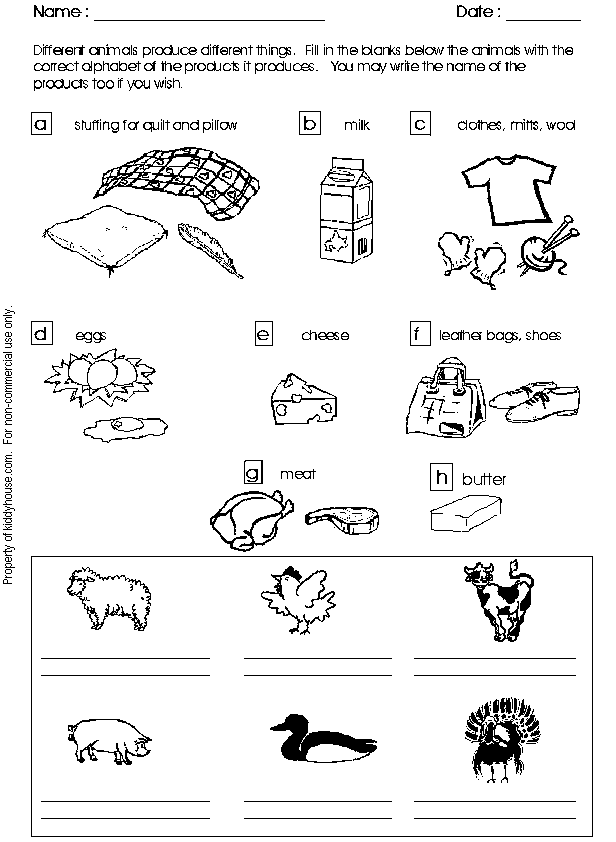
Activity 5: Write the names of the products. Work in this worksheet.
http://www.kiddyhouse.com/Farm/farmclips/animalproducts.gif
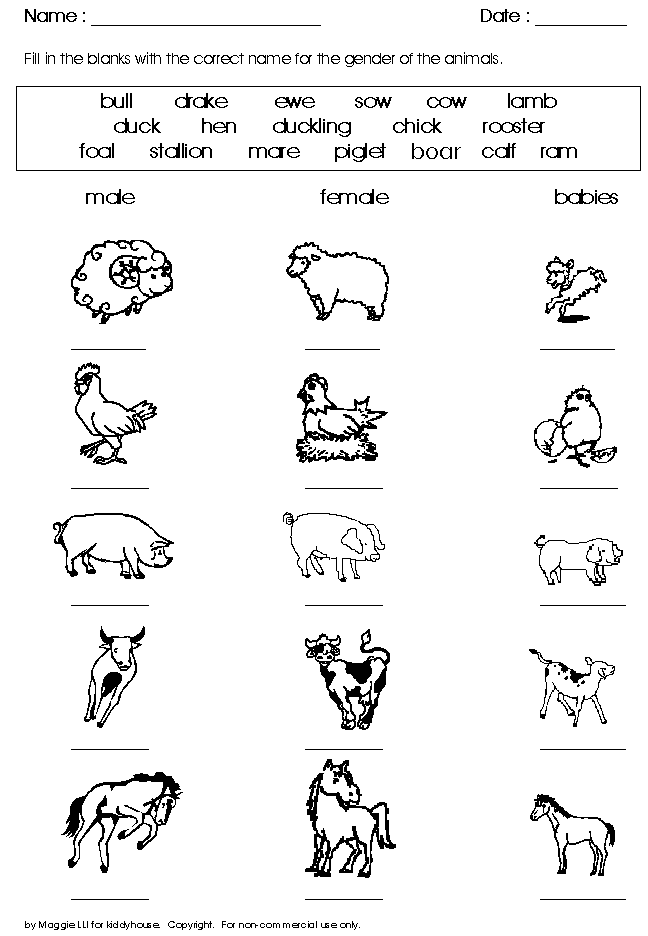
Activity 6: Fill in the blanks with the correct name for the gender of the animal. Work in this worksheet.
http://www.kiddyhouse.com/Farm/farmclips/animalgender.gif
Phase Four:
Activity 7: Story time.
GOLDILOCKS AND THE THREE BEARS
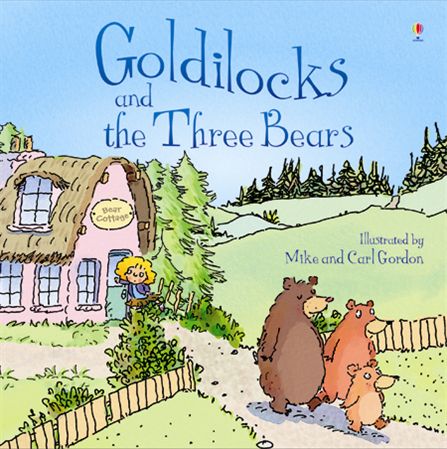
Once upon a time three bears …
It´s early in the morning. Breakfast time. Here are the three bears, daddy bear, mummy bear and baby bear. They live in a house in the middle of a wood.
“Oh! Smell very good” says Baby Bear,
“Mmm! This breakfast is hot” says Daddy,
“Ufff, Have your breakfast quickly” says Mummy.
One day they make porridge for breakfast. Father bear pours the porridge into three bowls. They all go for a walk. Here is Goldilocks.
"No one is at home," says Goldilocks."I can go in ". Goldilocks wants some porridge. Here is daddy bear's porridge. It is too hot for Goldilocks. This is mummy bear's porridge. It is too cold for Goldilocks. Goldilocks likes baby bear's porridge. And she eats it all up.
Talk about the story
- Is Goldilocks a bad girl? Yes, she is / No, she isn´t.
- Do you like porridge? Yes, I like / No, I don´t like.
- How many bears are there in the story two, five or three?
- Is Goldilocks hungry? Yes, she is / No, she isn´t.
Phase Five:
Activity 8: Listen and Sing
CAN A CROCODILE SWIM?
Can a crocodile swim?
Yes, it can. Yes, it can.
Can a crocodile swim? Yes, it can.
Can a crocodile fly? No, it can´t. No, it can´t.
But a crocodile can swim. So can I.
Can a Kangaroo jump?
Yes, it can. Yes, it can.
Can a kangaroo jump? Yes, it can.
Can a kangaroo fly? No, it can´t. No, it can´t.
But a kangaroo can jump. So can I.
Evaluation
EVALUATION
CREATION OF A POSTER: RUBRIC

Conclusion
Conclusion
Congratulations on completing this WebQuest! You should now be prepared to speak and identify different species of animals and what re the products of each one.
Additionally, you have learned to use your previous knowledge about animals, vocabulary and reading/listening skills.
Be proud of yourself!!!!
Credits
Credits & ReferencesThis WebQuest was developed by Deborah Rubio as a resource for students who wants to learn more about this unit and also develop the four skills (listening, reading, writing and speaking)
THANKS TO:
A GREAT ONLINE WEB SITE TO LOOK FOR SOME WORKSHEET
http://www.kiddyhouse.com/Farm/farmwsheets.html
PDF UNIT ANIMALS
edu.jccm.es/cpr/competenciascuenca/documentos/ejemplos/Primaria/animals.pdf
YOUTUBE
Teacher Page
Notes for Teachers
Learners
Resources Needed
Resource links are provided to use as you guide your students through the process to complete this WebQuest. |