
Introduction
There is a lot violence in the world but, is there any connection between violence and gender? How about between violence and sexuality?
Some say there is and some say that there isn't. Personally I feel that it does play a factor in how violence happens or in the direction in which violence flows
Like how reported rape victims are 91% female and 9% male
In this Web Quest you will make a T-Chart about violence against the different genders and violence against people of different sexual orientations
Task
So your task while traveling through this informational Web Quest is to create a T-Chart
Violence against Genders | Violence Against Sexuality
|
|
|
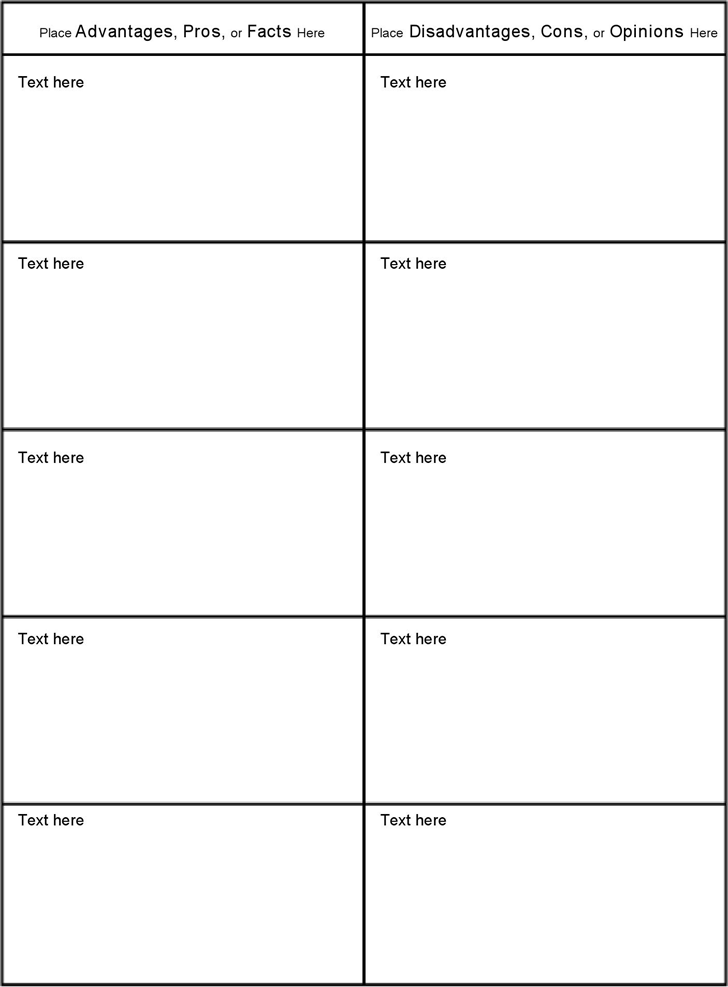
One side must have 3 - 5 facts about genders affect any kind of violence and the other side must have 3 - 5 facts about how sexuality can affect violence after that summarize your opinion on the topic
Use the facts in the following slide/page to fill in the chart


For the muggles that don't understand the first one
Process
Sexuality: A person's sexual orientation or preference. Whether it be Lesbian, Gay, Bisexual, Straight, Asexual, ect. ect.
Gender: How someone chooses to identify whether it be as male, female, transgender, no gender, inter-sexual, ect. ect.
Some people no matter how ignorant it may seem they still are prejudice against someone who strays from the "normal" path of straight or the normal path of male or female because people fear what they do not understand.
1 in 3 women and 1 in 4 men have experienced some form of physical violence by an intimate partner. This includes a range of behaviors (e.g. slapping, shoving, pushing) and in some cases might not be considered "domestic violence" therefore the cases that the states or the courts don't consider as domestic violence cases the gender whether it be the predominately male or predominately female they get away with harming the other
For more facts and statistics visit https://ncadv.org/statistics
Sexuality also can play a factor on abuse or violence both in and out of the home
26% of gay men and 37.3% of bisexual men have experienced rape, physical violence, and/or stalking by an intimate partner in their lifetime, in comparison to 29% of heterosexual men.
Use this website to find facts about violence against other sexualities and genders
https://ncadv.org/blog/posts/domestic-violence-and-the-lgbtq-community
You might actually be shocked by what you find


After you make the T chart summarize your opinion on the info that you have been given
Evaluation
https://rubric-maker.com/index.php?v=&page_ac=&type=&tool=&ru_action=vi…
I am sorry I could not get the rubric transferred here click the link to find the rubric and what you will be graded on.
Ctrl+c link and then Ctrl+vin the search bar
Conclusion
Sexuality and gender does play a difference in the flow of violence but maybe not in the way you think.
I hope you enjoyed the presentation
Credits
https://ncadv.org/blog/posts/domestic-violence-and-the-lgbtq-community
Used Google images
https://rubric-maker.com/index.php
Done by Cheyenne Tucker
Enjoy
Teacher Page
C Standards Addressed:
RL.6.1: Cite textual evidence to support analysis of what the text says explicitly as well as inferences drawn from the text.
W.6.9: Draw evidence from literary or informational texts to support analysis, reflection, and research
SL.6.1: Engage effectively in a range of collaborative discussions (one-on-one, in groups, and teacher-led) with diverse partners on grade 6 topics, texts, and issues, building on others' ideas and expressing their own clearly.
ISTE Standards Addressed:
2. Communication and collaboration: Students use digital media and environments to communicate and work collaboratively, including at a distance, to support individual learning and contribute to the learning of others.
3. Research and information fluency: Students apply digital tools to gather, evaluate, and use information.