
Introduction
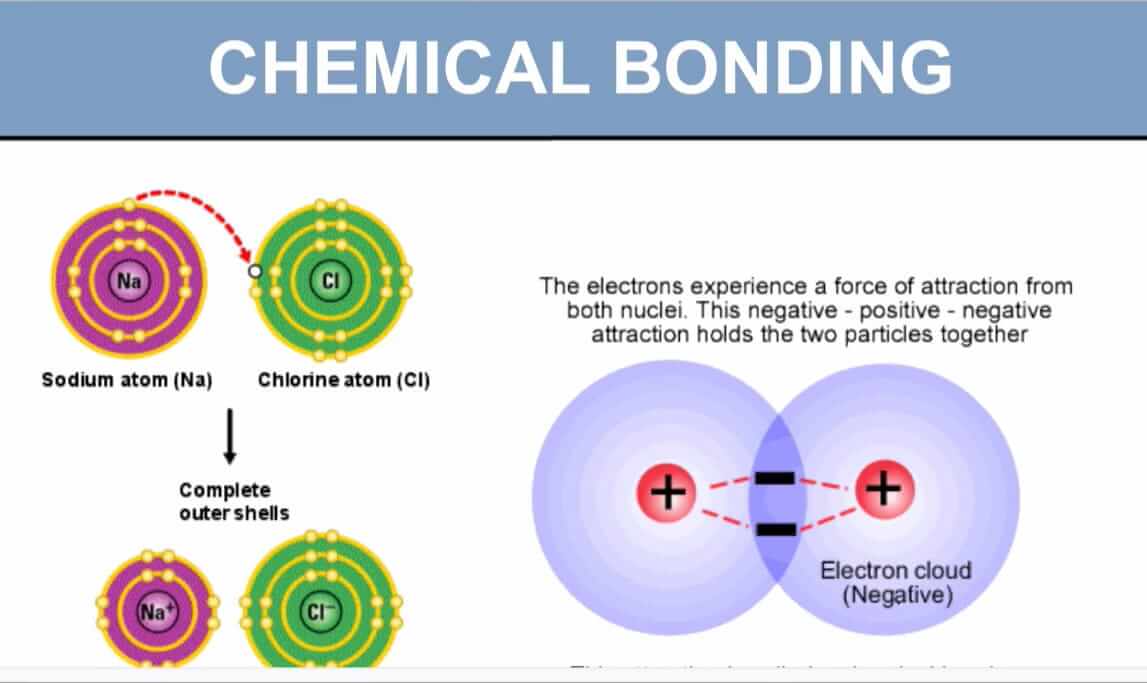
Early scientists wondered why substances combined in fixed ratios and why some materials had very different properties from others. They discovered that it all comes down to the way atoms bond together.
Today, chemists know that atoms bond by either transferring, sharing, or pooling electrons, creating three main types of bonds: ionic, covalent, and metallic. These bonds explain why salt is hard and brittle, why water is a liquid at room temperature, and why metals are shiny and conduct electricity.
In this WebQuest you are going to:
-
find out why atoms bond and what stability means
-
research the three main types of bonding and how they form
-
discover how bonding affects the properties of substances we use every day
Task
You will carry out research into the different types of chemical bonding and how they affect the properties of materials. You will use your research to produce a detailed comparison chart and creative presentation of the three main types of bonds.
Your work will need to cover the following things:
-
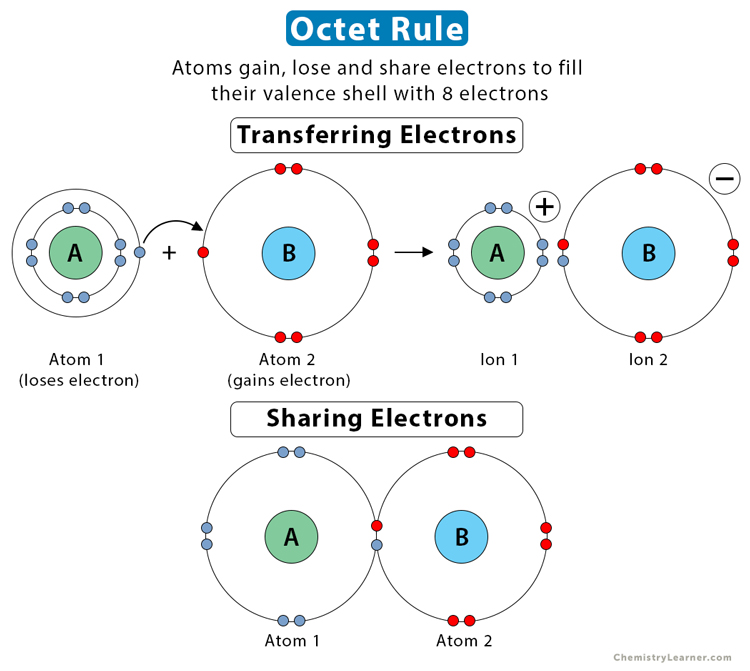
Why do atoms bond? (hint: octet rule and stability)
-
Ionic Bonding: What happens, which elements are involved, and one real-life example.
-
Covalent Bonding: How atoms share electrons, the different types (single, double, triple), and one real-life example.
-
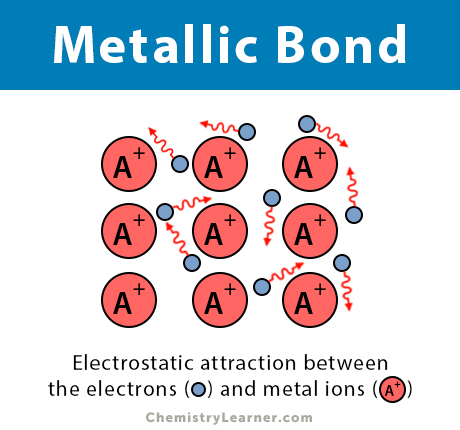
Metallic Bonding: The “sea of electrons” model, properties of metals, and one real-life example.
-
Comparison: How are these bonds similar or different? (Think: electrons, elements, properties, examples)
Try to include a diagram or drawing for each type of bonding (NaCl, H₂O, metallic structure).
Process
Step 1: Why Do Atoms Bond?
-
Atoms want to be stable. But what does “stable” mean?
-
Investigate the octet rule (hint: think about noble gases).
-
Check this: Octet rule
Step 2: Ionic Bonding
-
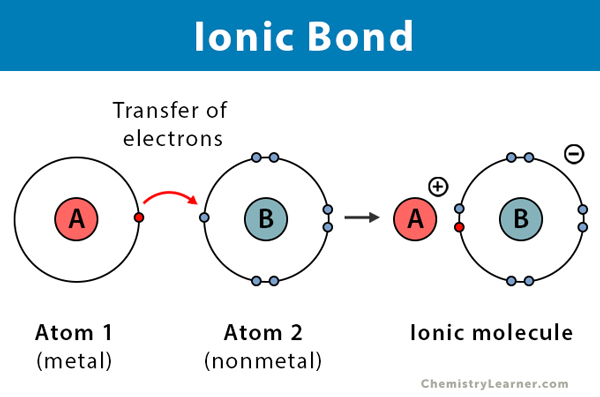
What happens when a metal meets a nonmetal?
-
How are ions formed?
-
Why does salt (NaCl) stay solid and hard?
-
Draw an example of sodium (Na) bonding with chlorine (Cl).
-
Check this: Ionic Bond
Step 3: Covalent Bonding
-
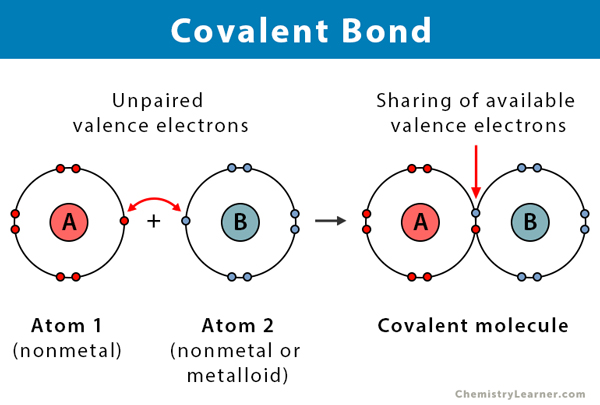
What happens when two nonmetals share electrons?
-
Why is water (H₂O) a covalent compound?
-
Sketch the three types of covalent bonding
-
Check this: Covalent Bond
Step 4: Metallic Bonding
-
What makes metals shiny, strong, and good conductors?
-
What is the “sea of electrons” model?
-
Why can metals bend without breaking?
-
Check this: Metallic bond
Step 5: Compare & Create!
-
Make a chart or drawing comparing ionic, covalent, and metallic bonds.
-
Include: how electrons are used, types of elements involved, and examples.
-
check this: Chemical Bonding

Evaluation
| Criteria |
Points |
Description |
| Understanding of Concepts | 25 | Shows correct knowledge of why atoms bond (octet rule) and accurately explains ionic, covalent, and metallic bonds with clear examples. |
| Diagrams & Visuals | 25 | Includes accurate and well-labeled drawings/models (e.g., NaCl, H₂O, metallic “sea of electrons”) that clearly show how electrons are used. |
| Comparison & Organization | 20 | Provides a clear and well-structured comparison of ionic, covalent, and metallic bonds (electron behavior, element types, real-life examples). |
| Creativity & Presentation | 15 | Uses color, sketches, or creative formats (poster, skit, slideshow, etc.) to make the project engaging and interesting. |
| Neatness & Effort | 15 |
Work is tidy, easy to follow, and shows consistent effort and teamwork throughout the WebQuest. |
Conclusion
Through your research and by comparing different types of bonds, you should have discovered the following:
-
Atoms bond to become stable. Most atoms want to achieve a full outer shell of electrons, like the noble gases. This is explained by the octet rule.
-
Ionic bonding occurs when electrons are transferred from a metal to a nonmetal, forming positive and negative ions. These oppositely charged ions attract strongly, which explains why ionic compounds like salt (NaCl) are hard, brittle, and have high melting points.
-
Covalent bonding happens when two nonmetals share electrons. This explains why molecules like water (H₂O) exist, and why covalent compounds can be gases, liquids, or solids at room temperature. You should also have identified the differences between single, double, and triple bonds.
-
Metallic bonding occurs when metal atoms share their outer electrons in a “sea of electrons.” This explains why metals are good conductors of electricity, shiny, and malleable (can be bent without breaking).
-
By comparing these bonds, you should now understand how the type of bonding determines a substance’s structure, properties, and everyday uses.
Your work should include diagrams or sketches of each bond type (ionic, covalent, metallic) and show clearly how electrons are involved in bonding. It should also connect bonding types to real-life examples that you encounter daily.
Credits
Bhuyan, S. (2021, December 9). Octet Rule: Definition and Examples. Chemistry Learner.
https://www.chemistrylearner.com/octet-rule.html
Chemistry Learner. (2023). Covalent Bond: Definition, Types, and Examples. Chemistry Learner.
https://www.chemistrylearner.com/chemical-bonds/covalent-bond
Chemistry Learner. (2021). Metallic Bond: Definition, Examples, and Diagrams. Chemistry Learner.
https://www.chemistrylearner.com/chemical-bonds/metallic-bond
Chemistry Learner. (2023). Ionic Bond: Facts, Definition, Properties, Examples, & Diagrams. Chemistry Learner.
https://www.chemistrylearner.com/chemical-bonds/ionic-bond
Chemistry Learner. (2022). Ionic, Covalent, and Metallic Bonds - Differences and Similarities. Chemistry Learner.
https://www.chemistrylearner.com/chemical-bonds/ionic-covalent-metallic-bonds
YouTube (2024). Chemical Bonding Explained | Ionic, Covalent and Metallic | GCSE Chemistry [Review of Chemical Bonding Explained | Ionic, Covalent and Metallic | GCSE Chemistry]. In Science Workshop.
https://youtu.be/5gEWOh630b8?feature=shared