
Introduction
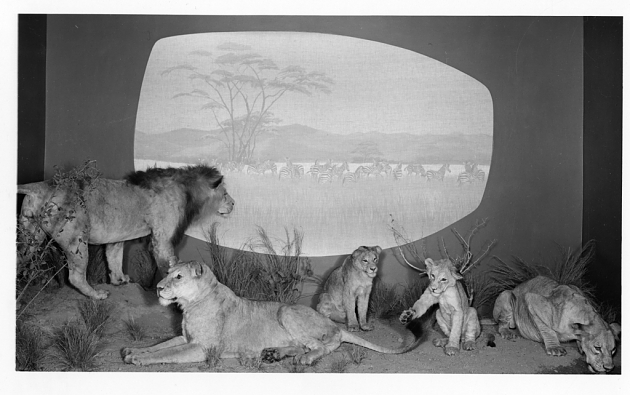
A diorama is a model representing a scene with three-dimensional figures, either in miniature or as a large scale-museum exhibit. It can also refer to scenic paintings, wide through a peephole, in which changes in color and direction of illumination simulate changes, in the weather time of day.
It is also a way to build an exciting scene in a small space. They usually display a historical time period, a nature scene, a fictional situation and allow a lot of room for creativity and innovation. Weather your diorama is a school project, a base for a model or just for fun, building one is easy.

Task
Your task is to make a home made diorama. Create your group with 5 members and choose your own theme. Think of the topic or idea you want your diorama to portray - is it a scene from a book? A period in time? An example of an ecosystem or animal/plant group? The options for a diorama are endless.
- The theme you choose may vary depending on the ultimate size you want and the amount of supplies you have. A very broad theme may not be able to be accomplished in a small shoebox, while a very specific theme will be difficult to accomplish in a large frame.
- Consider the availability of your supplies. If you want to make a diorama with an ocean theme, but have nothing to represent water or fish, it will be difficult to accomplish.

Process
Plan your diorama. Create a list of ideas for possible inclusions for your diorama. How do you want the background to look? Will you use found objects only, or printed pictures as well? Do you need to buy any supplies to create your scene, or can it all be made using things from your home and garden? Brainstorming ideas prior to starting to build up your diorama will help you to have a more finished looking piece.
- Try making a rough sketch of what you want your ideal diorama to look like. Think of the composition of the piece, and the layout of all the figures.
- Gather as many of the supplies for the project as you are able prior to putting it together. Getting the supplies organized will make the assembly of your diorama much easier than trying to find them as you work.
Select a frame. Because dioramas have layers of background, they need a box or frame that is several inches deep. For a basic diorama, a shoebox or old shipping box can be turned on its side and used. Larger dioramas can be created out of a large wooden crate or frame attached to a box. Anything that gives the illusion of a small open-faced room can be used as the frame for your diorama.
- If you have specific goals in mind for your diorama, you can consider building a box out of wood to fit your desired dimensions.
- Get creative with the frame for your diorama. For example, a diorama depicting a family scene or people could be done in a refurbished dollhouse.
Create your background. Your diorama should be worked on from the back to the front. As you work, you will add layers of details and images which create depth in your scene. Make the background first against the farmost wall of your box. Consider painting a basic scene or printing an image and gluing it on. You could also create a collage out of magazine cutouts to act as the background for your diorama.
- Don’t forget to add a background image to the inside sides as well as the furthest back side.
- If you want, you can paint the outside of your box a different color to add a more finished look. This should be done before you begin adding layers and figurines to your diorama.
Build up the ground. A realistic diorama does not fail to acknowledge the creation of the ground. Add details to the ground using paint or modeling clay. Papier mache can be used to create the illusion of real mountains or hills in addition to those painted in the back.
Begin adding details. Add your first layer of details and objects at the back and near the sides of your diorama. At this point, you could add larger detail items such as trees, rocks, or pieces of furniture. Keep to the edges of your project, as you will work inwards and forwards as you go.
Finish the landscape. Complete the background for your diorama by adding any additional landscape details you may want. If you are creating a nature scene, add anything to represent trees, grass, flowers, rocks, et cetera. The same should be done for any scene though - add in everything you want for a completed landscape.
- This video will help you on how to make a diorama. It will show you how to make a wonderful fantasy diorama from start to finish. It explains everything to you from what materials you need to what tools you need. There are also many useful tips on using household materials. Diorama building is a very rewarding hobby and with a little practice you can make some wonderful scenes. The only limit is your imagination.
- [video:http://youtu.be/_DJKyM3JIAI]
Evaluation
Educators often introduce their students to rubrics as a way to help monitor work and give them an understanding of how their assignments, projects and reports will be evaluated. Rubrics provide a scale that usually ranges from poor to excellent. It also is divided into different categories that further specify what is being analyzed. Educators can use dioramas for a variety of subject matters and lessons. Dioramas are a visual display that are constructed to represent an overall concept. Creating a rubric to assess dioramas can easily be done and requires they must meet a certain set of criteria in relation to the assignment.
Comprehension
-
The purpose of a diorama is to show an understanding of a concept taught in class. A diorama rubric will evaluate a student's comprehension and understanding of the subject. For example, if students are asked to create a diorama that depicts a rain forest, a higher score will be given to one that shows the rain forest's topographical features, plant and animal life. A high scoring rubric in the area of comprehension will include a presentation that clearly shows the student has an excellent grasp on the importance of the topic. The student's knowledge will be apparent in the quality of the work. A medium scoring diorama in the area of comprehension may show that a student has understanding of the concept but does not provide enough specific details to show they have either mastered the concept or brought their own perception to the project. Finally, a poor scoring rubric in the area of comprehension will not provide any evidence that the student understands the concept or has completed sufficient research to share in the diorama.
Organization
-
Regardless of how well a student understands the concept, the work must be presented in an organized and structured fashion for it to be considered quality work. A diorama rubric can contain the category of quality or organization to ensure that the work is done correctly. This might include assessing how well the diorama pays attention to construction, details and whether or not the project is free from excess glue, smudges and flaws.A high scoring rubric in the area of organization will include a display that is interesting and visually pleasing and meets all aspects of what is expected in terms of completion. A rubric with an average score of organization may be creative but could lack completion of all of the components. Finally, a low scoring rubric in the area of organization will appear to be untidy, lacking of any sequence or plan and possibly incomplete.
Creativity
-
A diorama rubric should also include an assessment of creativity. The difference between a creative diorama, versus one that is not would include the use of realistic objects and three dimensional features. For example, if a student is completing the rain forest diorama, they could receive a high score for including three dimensional animal figurines. A diorama that does not attempt to make any custom designs is less likely to receive a high score. A high scoring rubric in the area of creativity will easily show that much thought and time was put into constructing the diorama's features. A diorama that receives a medium score may include some effort, but could be lacking vivid colors and originality. Finally, a low scoring diorama in the area of creativity may be completely colorless and appear to be drab or unimaginative.
Grammar
-
Dioramas often include labels and explanations about the project. Different features can be described, or the diorama may be accompanied by a written essay. An excellent diorama will include proper sentence structure and practically no errors in grammar. This can include subject verb agreement, correctly using parts of speech and avoiding fragments and run-ons. A medium scoring rubric in the area of grammar may have errors, but they will not be so severe that it takes away from the quality of the work. Finally, a poor scoring diorama in the area of grammar will have practically no grammatical structure and the amount of errors will interfere with the written descriptions or labels.
Spelling
-
Spelling is equally as important as grammar when completing a diorama. For labeling or a written essay, there should be little to no spelling errors. Spelling errors in a diorama will take away from the overall understanding and comprehension of the written work. A medium scoring rubric in the area of spelling may have errors, but they will not be so severe that it takes away from the quality of the work. Finally, a poor scoring diorama in the area of spelling will have an over abundance of spelling errors, which keeps a fluent reading of the project from being completed.
Conclusion
CONGRATULATION ON FINISHING THE WEBQUEST
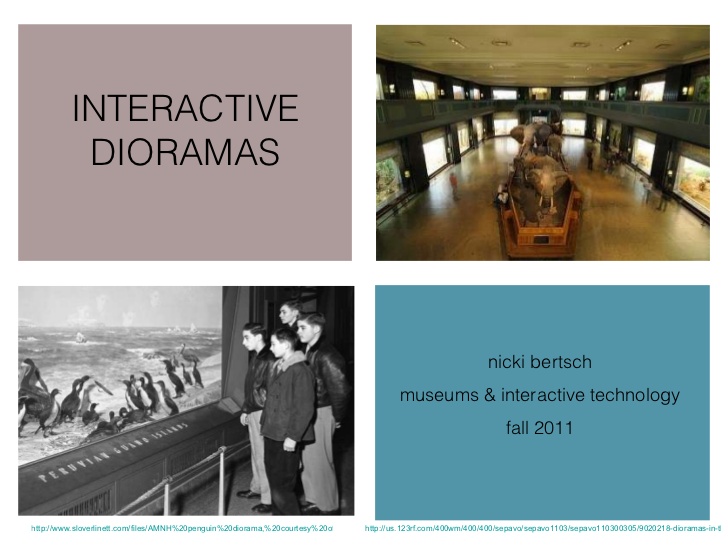
Dioramas acts as a trigger for the student to assemble their related memories about the topic and compile a personal representation of their chosen theme. The inclusion into the home made dioramas indicates that the students are matching what they see in the real world. They even added features so as to compose a more complete picture of the scene. Dioramas stimulates situational interest because it evoke emotional responses and provide different anchor points which enable estudents to relate previous experiences to the scenes or the facts presented.Students-object-engagements results feelings of enjoyment, involvement and stimulation which are the most typical emotional aspect of an interest based activity.
Dioramas may be used to represent scenes from historic events and often made to represent historical events, ecological biomes, cultural scenes, or to visually depict literature which gives information to learners about the real picture of the given scene.Lastly, educators, formal and informal, can build on the situational interest evoked at the dioramas to encourage and support learning and teching process.
Credits
I would like to thank the following for my links:
CCT classmates
Prof. Gerard M. Protacio