
Introduction
This WebQuest will explore the Author Joanna Cole:
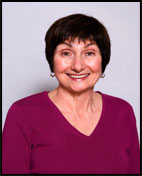
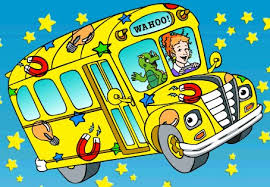
I selected the author Joanna Cole for my author study assignment. When I was in school I remember reading many of the author`s popular books for example The Magic School Bus series. I really enjoyed reading The Magic School Bus books because the reading material was broken down in simple terms appropriate for comprehension. Also each book was filled with fun knowledge and information that was presented in a way for students to absorb. I thought Joanna Cole only wrote Magic School Bus Books, after researching her I found out that she written more children literature books. As I began my journey researching the author I began to wonder more about who Joanna Cole was and does she share any characteristics from any of her characters from her books.
I have created a author study for second graders and the unit is designed for a week Monday through Friday. I decided to focus my lesson plan on Joanna Cole popular book collection which is the Magic School Bus series. In my lesson plan one the students will take a virtual field. In lesson plan two, students can select their own choice of any Magic School Bus book from the library. Then begin their book report about the topic and concept of the within their book. My third lesson plan is a science project that is an group activity. I think students will enjoy all of the activities because imagination and creativity is needed for success. Overall students will be learning and having fun, just like Ms. Frizzle class always does!
Task
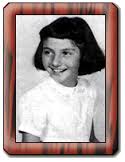
Background Information:
Joanna Cole was born on August 11, 1944 in Newark, New Jersey close by East Orange. From childhood and adulthood Joanna loved science subject area. She attended the University of Massachusetts and Indiana University. Joanna graduated from the City College of New York with a B.A in Psychology. After taking graduate Education courses, Joanna was a librarian then became a Elementary teacher. After that point of her life Joanna became a children’s book editor. In 1980 she started writing freelance children books and articles for Parents Magazine.
Joanna first book was Cockroaches which was known to be very unique because there wasn’t any children books about cockroaches in libraries The first Magic School Bus book was written in 1985 and published in 1986. Overall Joanna Cole has written over two hundred and fifty books. In Norfolk she currently lives with her husband. Today Joanna continues to write children literature books. For more information about Joanna Cole here is some website links: http://www.jacketflap.com/joanna-cole/75855
http://scholastic.ca/magicschoolbus/author/index.htm
|
|
Day 1- Introductory Activities |
|
Duration of Computer Center |
20 minutes for each group of four |
|
Materials
|
|
|
Common Core Standard(s)
|
|
|
Objectives
|
|
|
Procedures |
Teacher Model:
-Write down any information about the author such as about her childhood, or books -The games or activities that was available - What environment choices was on the page
|
Annotated Bibliography
|
Title, Author, Copyright Genre, Pages |
Theme Summary Awards |
Personal Response to the Book
|
Classroom Use Teacher thinking notes
|
|
|
|
|
|||||
|
The Magic School Bus Inside Ralphie: A Book About Germs Written by: Joanna Cole Illustrated by: Bruce Degen Copyright: 1995 Genre: Non- Fiction Pages:30 |
Theme: Sickness, Germs, Human Body
Summary: Ralphie is sick and the class goes to visit him at home. Instead have a surprising field trip inside Ralphie body to determine why he is sick.
Awards: No awards |
Personally I did like reading this book. I don’t like germs and the book shows a closer look of the infection. I think the book is relatable to every person because everyone gets sick or have at least been sick with a cough or flu. Students will be able to make connections |
Classroom Use: In the class the topic of germs is important to discuss with students. To limit the increase spread of germs I think teachers could use this book to better explain why everyone needs to try and be germ free. I witness in a class that every student was responsible for a task each day. Such as in groups one person is in charge of wiping the tables, one person reminds other members to wash their hands.etc. In the class the teacher told me her class had perfect attendance throughout the whole year. Teacher Thinking Notes: First explain the importance of being germ free and giving each student their task for the week. |
|
|
|
The Magic School Bus Gets Baked In A Cake: A Book About Kitchen Chemistry Written by: Joanna Cole Illustrated by: Bruce Degen Copyright: 1995 Genre: Non-Fiction Pages:31 |
Theme: Cooking, Baking, Cake
Summary: Ms. Frizzle birthday is approaching. Her class wants to surprise her with a party but forgets her birthday cake. The class takes a trip to a bakery and make Ms. Frizzle a cake.
Awards: No |
This book was fun and creative. I liked that the students tried to surprise Ms. Frizzle for her birthday. With this book, I liked that students worked together to create a birthday cake for Ms. Frizzle. This book reminded me when I was elementary school. I remember when the teacher birthday was approaching everyone was giving the teacher little handmade gifts or items. |
Classroom Use: As an fun activity I would have students to create a in class cookbook. I would bring in materials to help students to make their creations. Such as making a Jell-O pie or s`mores. In students workbooks they are required to write down the steps and the ingredients needed to complete each creation. Once the item is completed students then draw the finished product.
Teacher Thinking Notes: First ask parents if they what to volunteer any materials/food for the class cookbook. Also make sure with parents that their child doesn’t have any allergies. |
|
|
|
The Magic School Bus Going Batty: A Book About Bats Written by: Joanna Cole Illustrated by: Bruce Degen Copyright: 1996 Genre: Non-Fiction Pages:30 |
Theme: Mystery, Bats
Summary: Ms. Frizzle class has been learning about bats. Ralphie thinks Ms. Frizzle is a vampire and whats to prove to everyone that she is a night creature.
Awards: |
I already used this book in a classroom and it was fun! I brought the book out to students around October which is Halloween theme. In the school I was at the focus was on Autumn time of the year. The students really like to know more about nocturnal animals. I have to admit that I learned more about bats also while reading the book. |
Classroom Use: First I would have students to read the book. Then as a whole group I would have students to complete a Smart Board activity slideshow. After the activity I would ask students any questions or concerns. Then the last twenty minutes of the class I would let students watch the video link to the book. https://www.youtube.com/watch?v=ICVLfJr_Fy8
Teacher Thinking Notes: First I would make sure that every student feels comfortable talking about bats. The main focus is to make sure no student is afraid or scared of the bat theme book. |
|
|
|
|
|||||
|
The Magic School Bus: In the time of the dinosaurs Written by: Joanna Cole Illustrated by: Bruce Degen Copyright: 1994 Genre: Non-Fiction Pages:43 |
Theme: Journey, adventure Summary: Ms. Frizzle class travels back in time to the Triassic period. Then search for Maiasaura egg but go through a big journey on their quest back in time. Awards: No Awards for this book |
This book I thought was a good review of the time of the dinosaurs. Because in the general education classroom teachers briefly talk about dinosaurs. I think it would be interesting to have students to imagine that they was in the time of the dinosaurs. There are many higher level questions that could be asked towards students. |
Classroom Use: I would create groups of four to six groups. Then assign each group a dinosaur and students are responsible of creating a creative project. Students have to explain to the class what dinosaur they had, living habits, food habits and any other interesting facts .
Teacher Thinking Notes: I would already have the list of dinosaurs for each group to randomly select. |
|
|
|
The Magic School Bus Lost in the Solar System Written by: Joanna Cole Illustrated by: Bruce Degen Copyright: 1990 Genre: Non-Fiction Pages:40 |
Theme: Journaey, Space, Planets Summary: Ms. Frizzles travels in space with her students to explore the solar system.
Awards: No |
I loved this book when I was school. I remember it was my science book that I can recall learning about the planets and space. In elementary school I remembered that we made big planets in groups out of paper mache. Overall I remember it was fun learning about the topic then creating our planets in class. So when I see this book I always will have that memory. |
Classroom Use: Have students to be assigned a planet. Then have students to create their planet out of different materials and have students to display their planets in the classroom. Teacher Thinking Notes: Ensure students have prior knowledge about space and the planets before starting creating their planet. |
|
|
|
|
|||||
|
The Magic School Bus Explore the Senses Written by: Joanna Cole Illustrated by: Bruce Degen Copyright: 1999 Genre: Non-Fiction Pages:47 |
Theme: Adventure, Travel, discover
Summary: To explore the five senses, Ms. Frizzle and her class goes on a field trip. On this trip the students travel in an animal eye, ear, mouth, nose. As well as in a human body to examine the ear, eye, nose and mouth. Awards: No awards |
I selected this book because I did an lesson plan on the five senses. Students don’t realize how the human body senses have a major function with everything that we do daily. During a activity I was able to see students explore their senses. |
Classroom Use: In the classroom it would be a good activity to do mini experiments related to discovering or exploring their five senses. Teacher Thinking Notes: Before doing the activity or experiment read the book to students first. |
|
|
|
The Magic School Bus: Inside the Human Body Written by: Joanna Cole Illustrated by: Bruce Degen Copyright: 1989 Genre: Non- Fiction Pages:40 |
Theme: Digestive System, Stomach, The Human Body
Summary: Ms. Frizzle class gets an experience of a lifetime by seeing all of the major parts in the body. Plus seeing how the human body works in the inside.
Awards: No |
At the end of the book I liked that there was a seven question mini test that students could take to reflect on the book information. I think the human body is a whole in its self because there is a lot of things going on in the body. I think the book was creative and found simple words or phrases to help a younger audience to understand how the body really works. |
Classroom Use: Similar to the picture in the book on page thirty five. I think creating a huge chart of the human body and having students to label and fill in the parts of the body. Will help students to know what are the different parts of the body while being able to identify and locate then in the process.
Teacher Thinking Notes: A pre- lesson should be related to the five senses to make connection to the human body functions |
|
|
|
The Magic School Bus: Inside a Beehive Written by: Joanna Cole Illustrated by: Bruce Degen Copyright: 1996 Genre: Non- Fiction Pages:47 |
Theme: Bees, Beehive, Honey
Summary: Once again Ms. Frizzle takes her class on a field trip. Her class is transformed into bees to fully experience the life or day of a Honey Bee. Also how bees help people every day and produces honey.
Awards: No |
After reading this book, I know I will appreciate Bees a little more than I do now. The book really describes and visually shows how important Bees are in our society. How Bees help flowers to make seeds. Or how Bees help make food by pollinate many crops. |
Classroom Use: In the classroom teachers could take the overall message from the book and display that towards students. Which is walking a mile in someone else shoes or related to the book in a bees job. I would have students to really think about the message then as a homework assignment I would have students to go home and think about someone else and all of the hard work that they do. For example it could be a brother or sister because they take care of you a lot or a mom, dad, grandmother even the bus driver who gives you a ride to school everyday. Then students will write a short narrative essay. Teacher Thinking Notes: provide an example essay to help student fully understand the homework assignment |
|
|
|
|
|||||
|
The Magic School Bus: On the Ocean Floor Written by: Joanna Cole Illustrated by: Bruce Degen Copyright: 1992 Genre: Non-Fiction Pages:46 |
Theme: Journey, adventure, Ocean Summary: Ms. Frizzle takes the class on another field trip but this one is in the Ocean. The students learn about different creatures that live in the Ocean.
Awards: No Awards for this book |
I thought the book provided plenty of facts and additional information about the Ocean floor and all of the amazing unique creatures that live within the water. I like this book also because it’s my dream to go scuba diving and the book allows me to take that journey through reading. |
Classroom Use: I think it would be a fun activity to assign students each a creature that lives in the Ocean. Or students could have any plants that are in the Ocean. Students could do research on the their topic. Some topics would be Coral Reef, Jellyfish, Crabs, Sharks or claims. Teacher Thinking Notes: Once student complete their research assignment. Students will present a oral presentation. |
|
|
|
The Magic School Bus: Inside the Earth Written by: Joanna Cole Illustrated by: Bruce Degen Copyright: 1987 Genre: Non- Fiction Pages:40 |
Theme: Discovery, Journey Summary: Ms. Frizzle takes her class on a field trip to learn about different rocks and about the formation of Earth
Awards: No |
I thought the book was interesting because personally I didn’t know much about rock collection, or the different layers of rock in the ground. I think for students the book would be informational as well easy to understand the concept. |
Classroom Use: I think a foldable would be great for students to create. This would help students have the prior knowledge towards the reading material. So that students can write down each key vocabulary word that is mention in the book and have students to make connections. Such as drawing a picture of the word, defining it and create a sentence with the word included. Teacher Thinking Notes: Before asking students to create the vocabulary foldable. Create a sheet with the vocabulary words place onto it to help students.Example: Fossil, Sandstone, Soil, Limestone, |
|
|
Process
Objectives and Assessment
- Students will write in their notebook what they observed on the website. With supporting details students explain the theme of the website. Or additional tools/resources that is available on the page.
-I would circulate around the classroom to ensure that students are on task during group discussions
-Also I will check each student notebook at the end of the day
- Students will read Ms. Frizzle adventures in Ancient Egypt, and then take a virtual field trip to the Nile River. Students will be able to complete their workbooks by the end of their virtual field trip.
-I will check and grade student’s workbooks, and provide feedback to each student.
- Students will create a mini book report based on the topic of their book selection in class. Students will be able to make connections to the Magic School Bus book towards their book report.
-I will use a rubric to grade student’s mini book reports.
- Students will be able to research, identify, and create a group science project.
-I will observe students collecting their data and research information as well as working in their teams.
- Students will be able to present a science project based on their selected topic and provided interesting facts to the class.
-I will grade each group based on the oral presentation rubric
Standards
SC.2.L.16.1: Observe and describe major stages in the life cycles of plants and animals, including beans and butterflies.
SC.2.L.17.1: Compare and contrast the basic needs that all living things, including humans have for survival.
SS.2.E.1.2: Recognize that people supply goods and services based on consumer demands.
LAFS.2.RL.3.7: Use information gained from the illustration and words in a print or digital text to demonstrate understanding of its characters, settling or plot
LAFS.2.SL.1.1: Participate in collaborative conversation with diverse partners about grade 2 topics and texts with peers and adults in small and larger groups.
LAFS.2.W.1.2: Write informative/explanatory texts in which they introduce a topic, use facts and definitions to develop points and provided a concluding statement or section.
LAFS.2.W.3.7: Participate in shared research and writing projects (e.g., read a number of books on a single topic to produce a report, record science observation)
LAFS.K12.W.2: Use technology including the internet to produce and publish writing and to interact and collaborate with others.
Guiding Questions
- What was the author trying to accomplish when writing each book? Was the author trying to provide entertainment for the reader, or deliver a message, or both?
- Do you think the authors personal interests reflect within the books? If so explain why you believe this to be true and if not then explain why you feel that it isn’t accurate.
|
|
Day 2- Virtual Field Trip to Egypt |
|
Materials
|
Class Set of the book- Ms. Frizzle Adventures to the Ancient Egypt Pencil Workbooks Website for Virtual Field Trip to the Nile River:
|
|
Common Core Standard(s)
|
SS.2.E.1.2: Recognize that people supply goods and services based on consumer demands.
LAFS.2LAFS.RL.3.7: Use information gained from the illustration and words in a print or digital text to demonstrate understanding of its characters, settling or plot
|
|
Objectives
|
Students will read Ms. Frizzle adventures in Ancient Egypt, and then take a virtual field trip to the Nile River. Students will be able to complete their work books by the end of the virtual field trip.
|
|
Procedures |
Teacher Model:
Guided Practice:
-For example has anyone ever heard of Ancient Egypt?
Independent Practice:
|
|
Assessment of learning outcomes |
I will check and grade student’s workbooks, and provide feedback to each student.
|
|
Technology Integration |
|
|
Accommodations and modification for ELLs |
|
|
Accommodations and modification for ESE
|
Level 1-3 Ensure oral directions/ key points are understood
Level 4-5 Implement proximity control |
Evaluation
Oral Presentation
|
CATEGORY |
4 |
3 |
2 |
1 |
|
Comprehension |
Student is able to accurately answer almost all questions posed by classmates about the topic. |
Student is able to accurately answer most questions posed by classmates about the topic. |
Student is able to accurately answer a few questions posed by classmates about the topic. |
Student is unable to accurately answer questions posed by classmates about the topic. |
|
Collaboration with Peers |
Almost always listens to, shares with, and supports the efforts of others in the group. Tries to keep people working well together. |
Usually listens to, shares with, and supports the efforts of others in the group. Does not cause \"waves\" in the group. |
Often listens to, shares with, and supports the efforts of others in the group but sometimes is not a good team member. |
Rarely listens to, shares with, and supports the efforts of others in the group. Often is not a good team member. |
|
Vocabulary |
Uses vocabulary appropriate for the audience. Extends audience vocabulary by defining words that might be new to most of the audience. |
Uses vocabulary appropriate for the audience. Includes 1-2 words that might be new to most of the audience, but does not define them. |
Uses vocabulary appropriate for the audience. Does not include any vocabulary that might be new to the audience. |
Uses several (5 or more) words or phrases that are not understood by the audience. |
|
Stays on Topic |
Stays on topic all (100%) of the time. |
Stays on topic most (99-90%) of the time. |
Stays on topic some (89%-75%) of the time. |
It was hard to tell what the topic was. |
Mini Book Report
|
CATEGORY |
4 |
3 |
2 |
1 |
|
Quality of Information |
Information clearly relates to the main topic. It includes several supporting details and/or examples. |
Information clearly relates to the main topic. It provides 1-2 supporting details and/or examples. |
Information clearly relates to the main topic. No details and/or examples are given. |
Information has little or nothing to do with the main topic. |
|
Sources |
All sources (information and graphics) are accurately documented in the desired format. |
All sources (information and graphics) are accurately documented, but a few are not in the desired format. |
All sources (information and graphics) are accurately documented, but many are not in the desired format. |
Some sources are not accurately documented. |
|
Graphic Organizer |
Graphic organizer or outline has been completed and shows clear, logical relationships between all topics and subtopics. |
Graphic organizer or outline has been completed and shows clear, logical relationships between most topics and subtopics. |
Graphic organizer or outline has been started and includes some topics and subtopics. |
Graphic organizer or outline has not been attempted. |
|
Organization |
Information is very organized with well-constructed paragraphs and subheadings. |
Information is organized with well-constructed paragraphs. |
Information is organized, but paragraphs are not well-constructed. |
The information appears to be disorganized. 8 |
Conclusion
Congratulations! You have learned about the Author Joanna Cole!
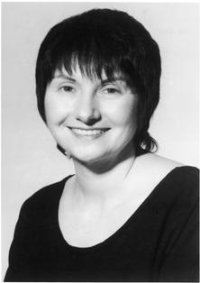
After completing the Author Study Unit WebQuest students will learn more about the author`s childhood and life. While understanding the author purpose for working her books. During the process students will improve on their reading, fluency skills. Improve on their collaboration techniques with other peers in the classroom. Also learn how to research, cite and document additional resources.
Credits
Useful Websites about the Author:
A video interview with Joanna Cole | Reading Rockets. (n.d.). Retrieved from http://www.readingrockets.org/books/interviews/colej
Joanna Cole's Biography | Scholastic.com. (n.d.). Retrieved from http://www.scholastic.com/teachers/contributor/joanna-cole-0
Joanna Cole: Biography, and a List of Books by Author Joanna Cole. (n.d.). Retrieved from http://www.paperbackswap.com/Joanna-Cole/author/
The Magic School Bus | Joanna Cole | Scholastic.com. (n.d.). Retrieved from http://www.scholastic.com/magicschoolbus/books/cole.htm
Teacher Page
Ten reasons to do a Author`s Study Unit
1. Help students develop their reading skills
2. Build critical thinking skills
3. Improve writing skills
4. Forge a deeper attachment to books
5. Establish a community of readers
6. Expose kids to different types of literary voices and styles
7. Boost information literacy skills
8. Plug in easily to the curriculum
9. Make connections across the curriculum
10. Add fun to the school day!
For addtional inforamtion: