
Introduction
What do we need to Know about HUMAN RESPIRATORY SYSTEM?
The human respiratory system is a series of organs responsible for taking in oxygen and expelling carbon dioxide. The primary organs of the respiratory system are lungs, which carry out this exchange of gases as we breathe.

Task
In air-breathing vertebrates like human beings, respiration takes place in the respiratory organs called lungs. The passage of air into the lungs to supply the body with oxygen is known as inhalation, and the passage of air out of the lungs to expel carbon dioxide is known as exhalation; this process is collectively called breathing or ventilation. In humans and other mammals, the anatomical features of the respiratory system include trachea, bronchi, bronchioles, lungs, and diaphragm. Molecules of oxygen and carbon dioxide are passively exchanged, by diffusion, between the gaseous external environment and the blood. This exchange process occurs in the alveoli air sacs in the lungs.
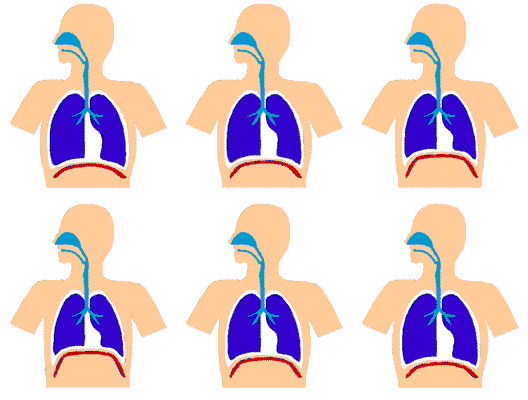
Process
Evaluation
Label the following Parts:
_40.jpg)
Conclusion
The respiratory system consists of the airways, the lungs, and the respiratory muscles that mediate the movement of air into and out of the body.

