
Introduction
Test your brain :
Identify the following pictures.

Task
At the end of the lesson, the students should be able to:
- Discuss the different types of Mechanic Tools
- Discuss the basic tools in Automotive
Process
Tools used by a mechanic include a variety of lifts and hoists to give them access to the area of the vehicle that needs to be repaired. Most large garages have pneumatic lifts that raise cars to the appropriate level. Private mechanics might use hoist systems or jacks, or even just an auto dolly to roll under the chassis.
Hand Tools
The first category we’re going to cover is hand tools. You’ll need the following items for nearly every job when working on cars:
A breaker bar helps break loose stubborn nuts and bolts.
1. Breaker bar
If you’re like most people, sometimes you need a little extra help breaking loose stubborn nuts and bolts. A breaker bar gives you that advantage by providing extra leverage.

Your toolbox should include the following types of pliers: slip-joint, tongue and groove, needle nose, and vise grips.
2. Different types of pliers
To work on cars, you’re going to need several different kinds of pliers. At a minimum, your toolbox should include the following types of pliers: slip-joint, tongue and groove, needle nose, and locking (also known as vise grips).

You should keep a traditional hammer handy.
3. Hammers (traditional and dead-blow)
Every now and then, you’ll need to whack a car part or two into submission. For this task, you should keep a traditional hammer handy, as well as a dead-blow hammer. A dead-blow hammer minimizes the damage caused when striking a surface.
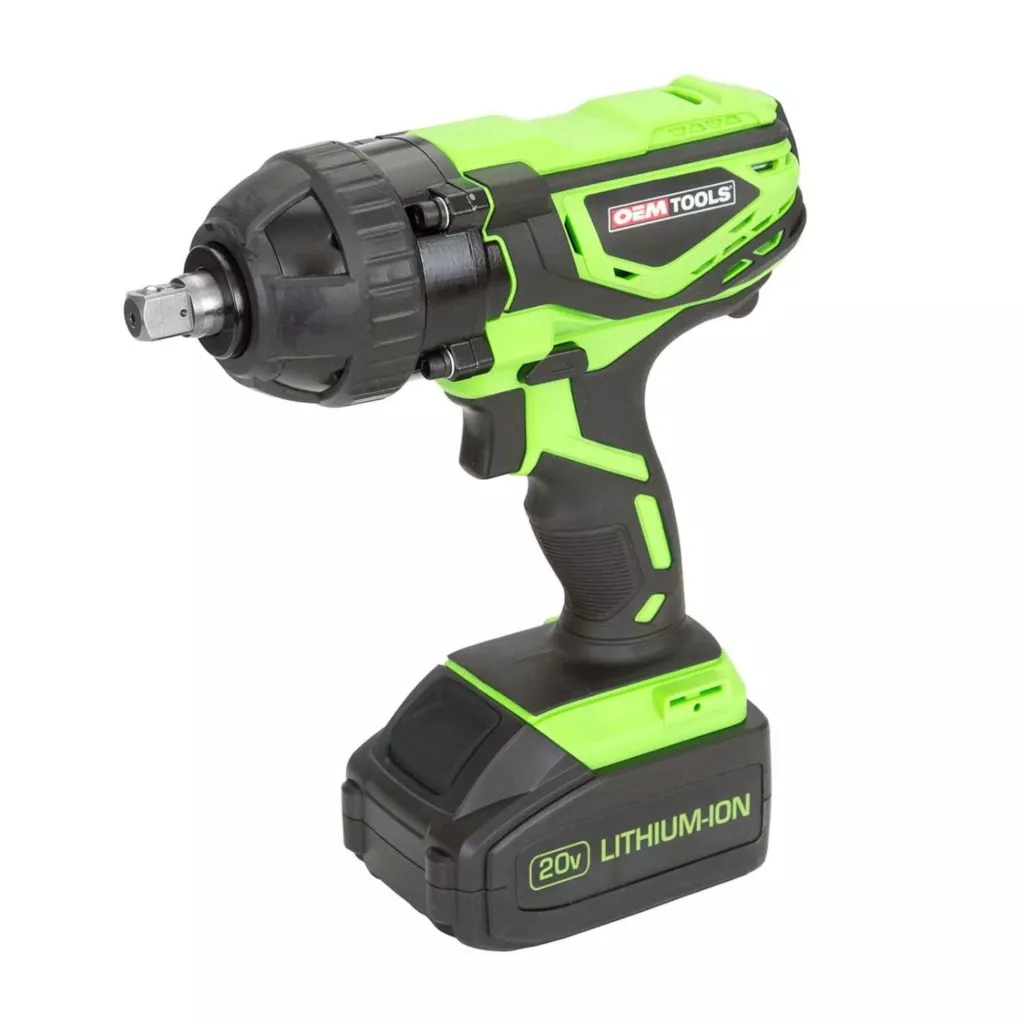
For those who are just starting out, a 1/2-inch pneumatic impact wrench is usually the best choice.
4. Impact wrench
These days, a variety of different types of impact wrenches are available. You can get either a pneumatic or cordless design in an array of configurations and torque output ratings. For those who are just starting out, a 1/2-inch pneumatic impact wrench (and the air compressor to go with it) is usually the best choice.

You need a dedicated oil filter wrench to do oil and filter change.
5. Oil filter wrench
An oil and filter change is a fundamental automotive repair task that nearly every DIYer tackles. But unless you’re super strong, you won’t be able to remove the filter with your bare hands—you need a dedicated oil filter wrench.

You should always keep a set of small picks in your toolbox.
6. Pick set
You’ll never know how important a pick set is until you own one. A small pick can help disconnect an electrical connector, free a retaining clip, and so much more. You should always keep a set of small picks in your toolbox.

For newbies, a medium-length pry bar is good enough.
7. Pry bar
Once you start working on cars, you’ll immediately realize the importance of a good pry bar. As a newbie, you’ll definitely want a medium-length pry bar in your toolbox. You can add a variety of lengths as your tool collection begins to grow.

Punches and chisels serve a multitude of uses and it’s best to keep a variety of shapes and sizes available.
8. Punches and chisels
Punches and chisels serve a multitude of uses when working on cars. It’s a good idea to keep a variety of shapes and sizes available whenever you’re in the garage.

You should have ratchets with each of the standard drive sizes, along with various extensions and a full selection of sockets.
9. Ratchet and Socket Set
A ratchet and socket set is arguably the most important thing to have in your toolbox. You should have ratchets with each of the standard drive sizes (1/4″, 3/8″, and 1/2″), along with various extensions and a full selection of sockets. It’s also a good idea to have a variety of Torx and Allen head sockets.
Most modern cars (both foreign and domestic) have metric fasteners. So, as a beginner, unless you’re working on vintage domestic vehicles, you can usually stick to metric sockets. Later on, you might want to add standard (SAE) sockets to your collection.

Be sure you have all of the various types of screwdrivers.
10. Screwdriver Set
Do we really need to talk about how important screwdrivers are? Be sure you have all of the various types—including flat head, Phillips head, Allen head, and Torx head—in your toolbox at all times.

You’ll want to use a tire pressure gauge often to ensure your car’s tires remain properly inflated.
11. Tire pressure gauge
Tire pressure affects several aspects of vehicle performance, including handling, braking ability, and fuel mileage. You’ll want to use a tire pressure gauge often to ensure your car’s tires remain properly inflated.

A torque wrench comes in handy when you need to tighten a nut or bolt to a certain specification.
12. Torque wrench
A torque wrench is an essential tool for individuals of all skill levels. In many instances, you need to tighten a nut or bolt to a certain specification. A torque wrench allows you to do just that by applying a certain amount of force to the fastener.

If you’re working on vintage domestic vehicles, you’ll usually want to have a set of metric wrenches.
13. Wrench Set
It should go without saying that every mechanic needs a wrench set. As was mentioned, these days, foreign and domestic cars both use metric fasteners. Unless you’re working on vintage domestic vehicles, you’ll usually want to build up your set of metric wrenches before moving on to collecting standard (SAE) wrenches.
Evaluation
Individual Activity
Draw your favorite car?
Conclusion
Exit Ticket: How do you compare Electrical Tools and Automotive Tools?
Credits
Teacher Page
This WebQuest material was prepared for Technology for Teaching and Learning 2 Students of CSTC, Sariaya Quezon by Mr. BJ Mark Ranwell B. Reyes.