
The Nature

Introduction

Welcome to your new webquest about nature.

I hope you wil like it and enjoy working on following task.

Feel free to contact me if you had any problems, doubts or questions during the whole process of webquest completion.

 When you see a word NATURE, what comes to your mind?

How would you define nature?

Think for a while about following questions: What is nature? Where can you find it? How much time a week do you spend in nature?

Is nature important nowadays? Why do you think so?

Task

"Nature is not a place to visit. It is our home."

What do you think about this quote?

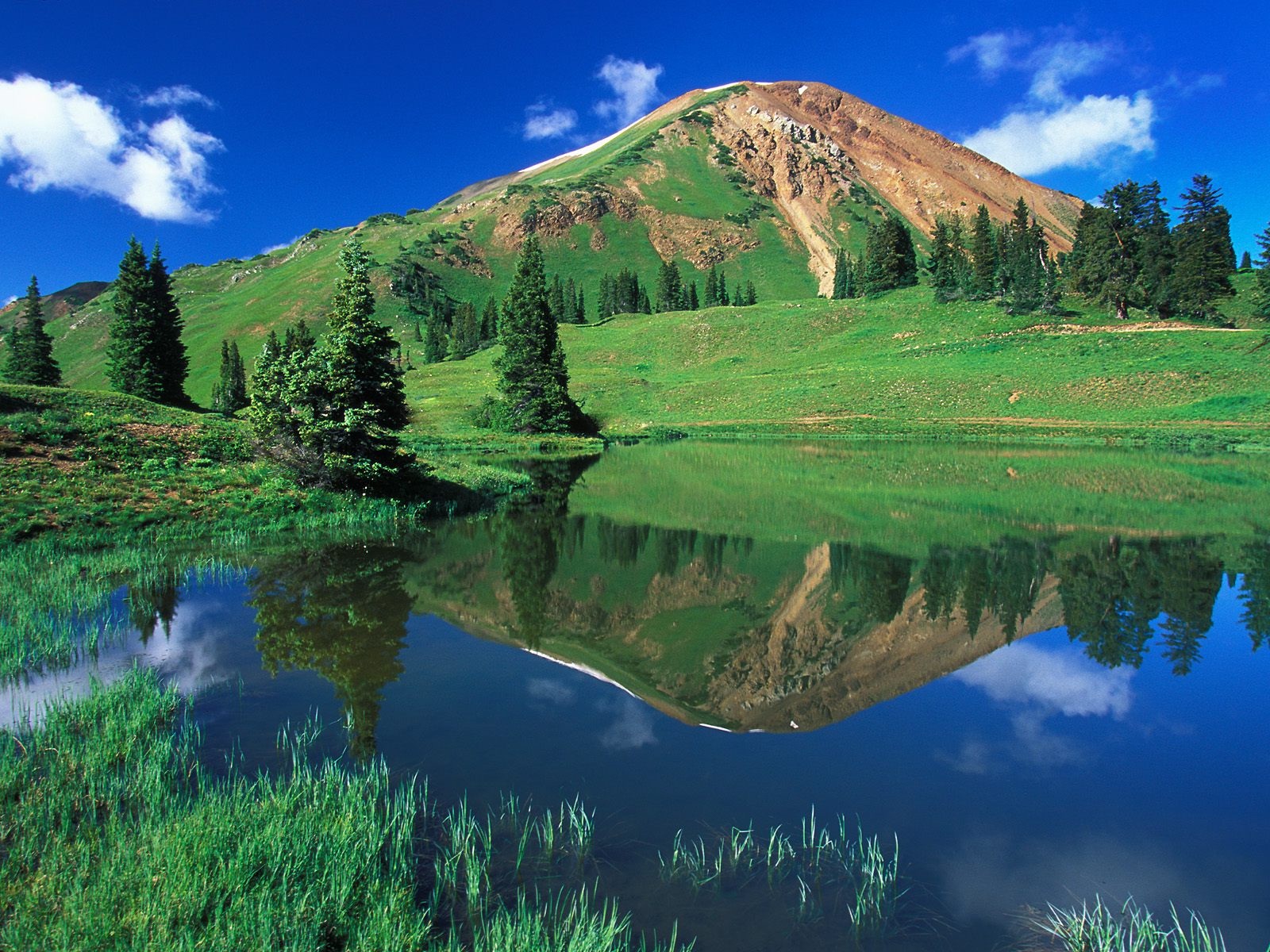
Your task is to create a digital story about what nature means to you.
Process

Since you already created a digital story before in lessons, let's repeat only the basic rules.

The digital story consists of your recorded voice, background music or sounds, and images. This all is joined in a video. Your digital story should be about 3-4 minutes long.

You can use Microsoft Movie Maker program to create your digital story.

_____________________________________________________________________________________________

1. Make groups of 2-3 people and discuss what you think about nature, if it is important to you and why. You can also discuss what you think about the quotation "Nature is not a place to visit. It is our home."

2. After that summarize your story (opinion on nature, experience with it or what you think about the quotation). You can write it either on paper or in a MS Word. Don't forget to mention a dramatic question and purpose of your story at the beginning.

3. Then find appropriate pictures that correspond with your story.

4. Find also nice musical background that creates a pleasant atmosphere.

_____________________________________________________________________________________________________________

For inspiration visit following Internet webpages:

Nature generally and citations (you can include one in your digital story if you want): 

http://en.wikibooks.org/wiki/Nature/Definition

What does nature give us: Explore at least 5 categories of your interest.

http://www.ourfutureplanet.org/news/572-what-does-nature-give-us

Wilderness: explore the text until "Formal Wilderness Designation" (this part and the following text you don't

 have to read).

http://en.wikipedia.org/wiki/Wilderness

Pictures of nature (Google Pictures). You can change words in the search engine to view different pictures.

http://tinyurl.com/jwmz2ol

Sounds of the nature (to be downloaded). In the second link, again, you can change words in the search engine to find diferent kinds of sounds, music etc. (for example relaxing music or anything else):

http://www.listeningearth.com/LE/general.php?pageID=8

http://mp3skull.com/mp3/relaxing_nature_sounds.html

Evaluation
Category 4 Points 3 Points 2 Points 1 Point
1. Purpose of Story Establishes a purpose early on and maintains a clear focus throughout. Establishes a purpose early on and maintains focus for most of the presentation. There are a few lapses in focus, but the purpose is fairly clear. It is difficult to figure out the purpose of the presentation.          
2. Point of View The point of view is well developed and contributes to the overall meaning of the story. The point of view is stated but does not connect with each part of the story, although an attempt is made to connect it to the overall meaning of the story. The point of view is stated but no attempt is made to connect it to the overall meaning of the story. The point of view is only hinted at, or is difficult to discern.
3. Dramatic Question A meaningful dramatic question is asked and answered within the context of the story. A dramatic question is asked but not clearly answered within the context of the story. A dramatic question is hinted at but not clearly established within the context of the story. Little or no attempt is made to pose a dramatic question or answer it.
4. Choice of Content Contents create a distinct atmosphere or tone that matches different parts of the story. The images may communicate symbolism and/or metaphors. Contents create an atmosphere or tone that matches some parts of the story. The images may communicate symbolism and/or metaphors. An attempt was made to use contents to create an atmosphere/tone but it needed more work. Image choice is logical. Little or no attempt to use contents to create an appropriate atmosphere/tone.
5. Clarity of Voice Voice quality is clear and consistently audible throughout the presentation. Voice quality is clear and consistently audible throughout the majority (85-95%) of the presentation. Voice quality is clear and consistently audible through some (70-84%)of the presentation. Voice quality needs more attention.
6. Pacing of Narrative The pace (rhythm and voice punctuation) fits the story line and helps the audience really "get into" the story. Occasionally speaks too fast or too slowly for the story line. The pacing (rhythm and voice punctuation) is relatively engaging for the audience. Tries to use pacing (rhythm and voice punctuation), but it is often noticeable that the pacing does not fit the story line. Audience is not consistently engaged. No attempt to match the pace of the storytelling to the story line or the audience.
7. Meaningful Audio Soundtrack Music stirs a rich emotional response that matches the story line well. Images coordinated with the music. Music stirs a rich emotional response that somewhat matches the story line. Images mostly coordinated with the music. Music is ok, and not distracting, but it does not add much to the story. Not coordinated with images. Music is distracting, inappropriate, OR was not used.
8. Quality of Images Images create a distinct atmosphere or tone that matches different parts of the story. The images may communicate symbolism and/or metaphors. Images create an atmosphere or tone that matches some parts of the story. The images may communicate symbolism and/or metaphors. An attempt was made to use images to create an atmosphere/tone but it needed more work. Image choice is logical. Little or no attempt to use images to create an appropriate atmosphere/tone.
9. Economy of Story Detail The story is told with exactly the right amount of detail throughout. It does not seem too short nor does it seem too long The story composition is typically good, though it seems to drag somewhat OR need slightly more detail in one or two sections. The story seems to need more editing. It is noticeably too long or too short in more than one section. The story needs extensive editing. It is too long or too short to be interesting.
10. Grammar and Language Usage Grammar and usage were correct (for the dialect chosen) and contributed to clarity, style and character development. Grammar and usage were typically correct (for the dialect chosen) and errors did not detract from the story. Grammar and usage were typically correct but errors detracted from story Repeated errors in grammar and usage distracted greatly from the story.
Conclusion

Thank you for your attention. I hope that you had a good time and enjoyed working on this webquest.

Have you learnt something new and interesting?

I am looking forward to explore your digital stories.
Credits

Evaluation rubric by Nicole Kaffel, November 2007. Retrieved from http://courseweb.lis.illinois.edu/~jevogel2/lis506/evaluation.html