
Introduction
Water Crisis!
Have you ever turned on the water faucet in your sink and wondered where the water comes from? And where it goes? Well, you and your class will figure that out, and look at water in other parts of the world, in this exciting WebQuest adventure into Water World!
First, let’s figure out where our water comes from, OK? Together with your teacher, find the water department in your town and find its website. Here’s an example website from Chicago, Illinois:
http://www.cityofchicago.org/city/en/depts/water.html
Use the website to answer the following questions:
1) Where does our water come from?_________________________________________________
2) Where does it go?____________________________________________________________________
3) How is it treated?____________________________________________________________________
Next, you will work in a group of 3 – 4 to analyze the water situation in another country. We will look at five countries that have had problems with their water supply:
Bangladesh Iraq Costa Rica India Kenya
In your groups, figure out which country you will research. Use your WebQuest to help you explore this new place and complete your journey.
____________________________________________________________________________________________________________
Water Crisis!
(ELL or Others)
Have you ever turned on the water faucet in your sink and wondered where the water comes from? And where it goes? Well, you and your class will figure that out, and look at water in other parts of the world, in this exciting WebQuest adventure into Water World!
First, let’s figure out where our water comes from, OK? Together with your teacher, find the water department in your town and find its website. Here’s an example website from Chicago, Illinois:
http://www.cityofchicago.org/city/en/depts/water.html
Use the website to answer the following questions:
1) Where does our water come from?_________________________________________________
2) Where does it go?______________________________________________________________
3) How is it treated?________________________________________________________
Next, you will work in a group of 3 – 4 to look, and discuss, the water situation in another country. We will look at five countries that have had problems with their water supply:
Bangladesh Iraq Costa Rica India Kenya
In your groups, figure out which country you will research. Use your WebQuest to help you explore this new place and complete your journey.
Task
Students will work in groups of four to organize and present information on the country they’ve chosen. Students will complete several different graphic organizers with the following information: description of the geography of their country, description of the water crisis, relevant statistical information, issues that are country/region specific, and recommendations. Students will then create a poster, powerpoint, or written/oral report about their country and present it to the class. This way, the whole class will learn about a variety of countries.
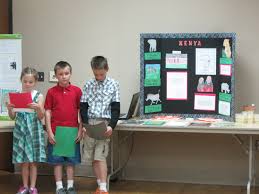
Process
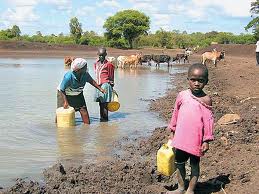
FIRST!
What is your country?_____________________________________________________________________
NOW…
Can you find it on the map? Yes_________ No_________
Where does it get water?____________________________________________________________________
Is it treated? Yes?______ No?_______
How is it treated?_______________________________________________________________________________________
_________________________________________________________________________________________________
What kind of pollutants might enter the water?___________________________________________________________________________________________________________________________________________________________________________________________________________________________________________________________________________________________
How can water be treated so that it is drinkable? Can you figure out three different ways?
1) _______________________________________________
2) _______________________________________________
3) _______________________________________________
Kenya (GROUP 1)
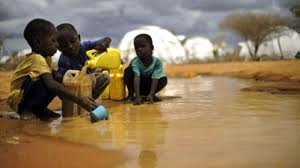
Articles:
Encyclopedia of the Earth (2008). Water profile of Kenya. Retrieved
from http://www.eoearth.org/view/article/156956
571 × 428 - alvpfchristiancharity.org
Huffington Post (2014). Kenya Underground Aquifers May Help
Solve Country's Water Crisis. Retrieved from
http://www.huffingtonpost.com/2013/09/12/kenya-
underground-aquifers_n_3914518.html
Snyder, S. (2014). Water in crisis – Kenya. Retrieved from
thewaterproject.org/water-in-crisis-kenya.asp
Wikipedia (2014). Geography of Kenya. Retrieved from
http://en.wikipedia.org/wiki/Geography_of_Kenya
Video:
GOOD (2011, July 5). Bringing clean water to Kenya. Retrieved from http://www.youtube.com/watch?v=c321dj-1IYo
[video:http://www.youtube.com/watch?v=c321dj-1IYo]
Costa Rica (GROUP 2)
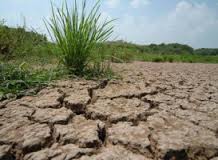
Articles:
Costa Rica News Blog. (2013). Water scarcity in Guanacaste, costa
rica. Retrieved from
http://travelnews2010.wordpress.com/2013/04/24/water-
scarcity-in-guanacaste-costa-rica/
QCosta Rica. (2014). Water shortage expected in march and april.
Retrieved from http://www.qcostarica.com/2014/01/11/water-
shortage-expected-in-march-and-april/news.co.cr
Stroud Water Research Center. (2013). Long-term research in
environmental biology. Retrieved from
http://www.stroudcenter.org/research/projects/ltreb/costarica/
Video:
CAVU Videos (2008, June 16). Sardinal water problem / problema con el agua en sardinal. Retrieved from
https://www.youtube.com/watch?feature=player_embedded&v=wZLpFNsW54A
[video:http://www.youtube.com/watch?v=hLVymk-4oXw]
Iraq (GROUP 3)
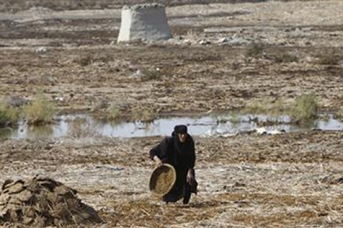
Articles:
Barton, A. (2013). Water in crisis-spotlight on middle east iraq. Retrieved
from http://thewaterproject.org/water-in-crisis-middle-east
Latif, N and Sands, P. (2009). Iraq’s new war is a fight for water. Retrieved
from http://www.thenational.ae/news/world/middle-east/iraqs-new-war-
is-a-fight-for-water
Today’s Zamaz (2013). The water issues in iraq and attempts to solve it.
Retrieved from http://www.todayszaman.com/news-311203-the-
water-issue-in-iraq-and-attempts-to-solve-it.html
Video:
ChoiceJJ (2010, June 10). Water crisis in Iraq http://www.youtube.com/watch?v=vb1RPBa9dng
[video:http://www.youtube.com/watch?v=vb1RPBa9dng]
India (GROUP 4)
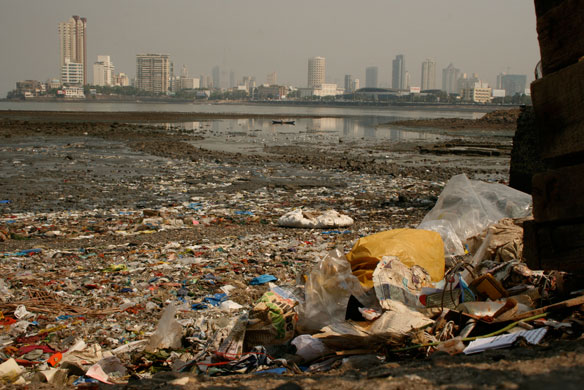
Articles:
Luthra, S and Kundu, A. (2013). India’s water crisis causes and
cures. Retrieved from http://thewaterproject.org/water-in-
crisis-india
New York Times Company (2014). Thirsty giant, india’s water crisis.
Retrieved from http://topics.nytimes.com/top/news/international/series/thirstygiant/index.html
Snyder, S. (2014). Water in crisis-spotlight on India.Retrieved from
http://thewaterproject.org/water-in-crisis-india.
Video:
AOFLEX (2012, July 6). BBC our world India's water crisis. Retrieved from
http://www.youtube.com/watchv=jscOuWpw_iU
[video: http://www.youtube.com/watchv=jscOuWpw_iU]
Bangladesh (GROUP 5)

Articles:
Hedrick, S. (2014). Water in crisis-spotlight on bangladesh. Retrieved from
http://water.org/country/bangladesh/.
Rahat, S (2013). Ongoing and future water scarcity in bangladesh.
Retrieved from http://wreforum.org/saiful-haque-
rahat/blog/6822
Water Aid (2014). Bangladesh. Retrieved from
http://www.wateraid.org/where-we-work/page/bangladesh
Water.org (2014). Bangladesh. Retrieved from
http://water.org/country/bangladesh/
Video:
NTDTV (n.d.). Water crisis in Bangladesh. Retreived from https://www.youtube.com/watch?v=zxggPgX9LE8
[video:https://www.youtube.com/watch?v=zxggPgX9LE8 ]
NEXT…
Complete the resource packet. Check off √ when you complete each worksheet.
1) Fill out the ‘Know’ and ‘Want to know’ section of the KWL worksheet._________
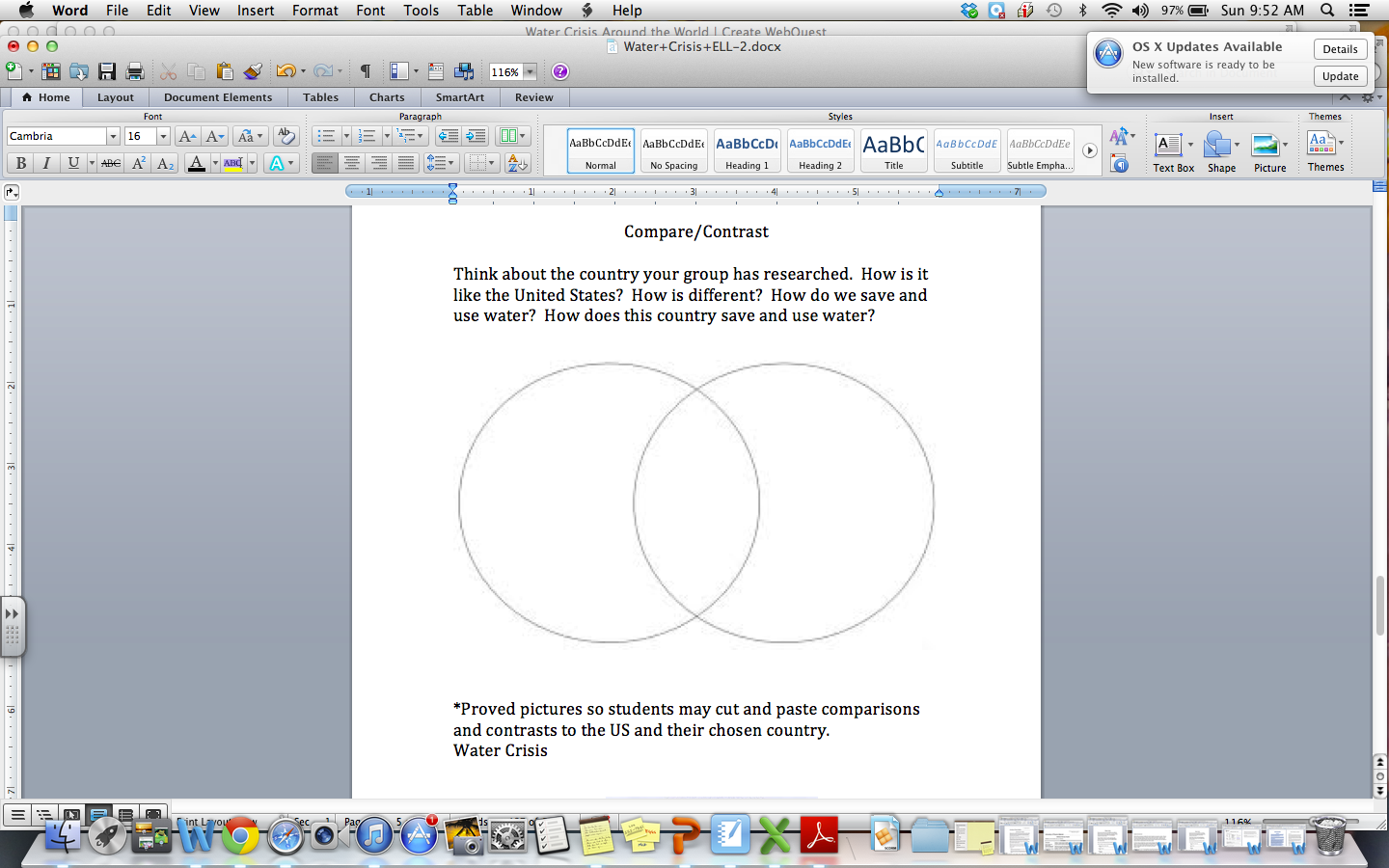
2) Use the Venn diagram to compare and contrast the U.S. to your country.______
3) Fill out the Water Crisis chart_________
K-W-L
What do you Know about the water situation in your country?
____________________________________________________________________________________________________________
____________________________________________________________________________________________________________
____________________________________________________________________________________________________________
____________________________________
What do you Want to know?
____________________________________________________________________________________________________________
____________________________________________________________________________________________________________
____________________________________________________________________________________________________________
______________________________________________________________________________________________________
Venn Diagram
(Below is a snapshot of the Venn Diagram that would be used)
Water Crisis Chart
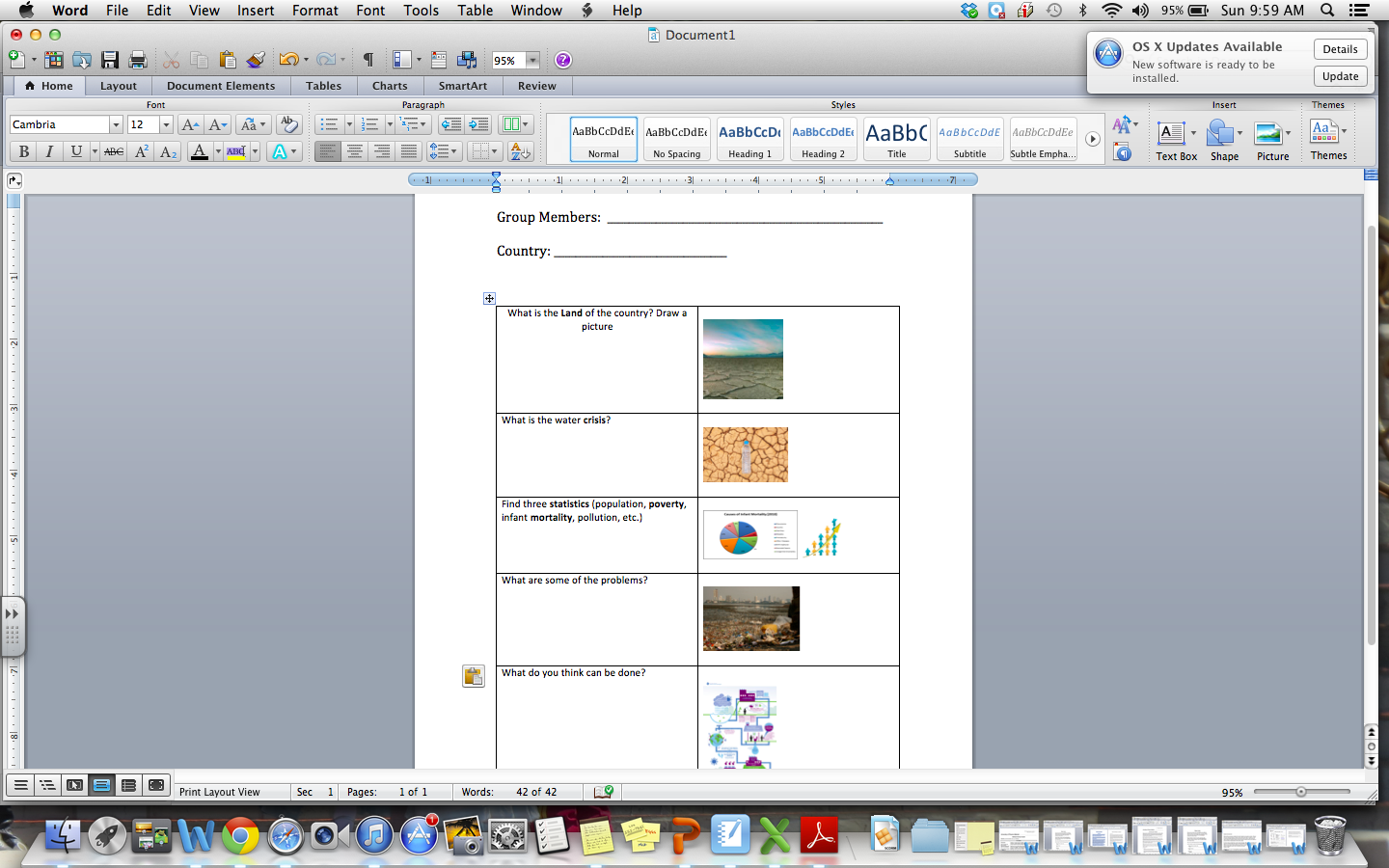
(Below is a snapshot of the Water Crisis Chart that would be used)
WATER CRISIS!
Now use your WebQuest Water World website to fill out the Water Crisis Chart located in the back of your packet. When you are finished you will be ready for the final step: assessment of what you know.
PRESENTATION!
You will now show the class what you have learned about your country and its water situation. You may:
Create a poster or Powerpoint with…
• A title
• Pictures (drawn or photo), graphs, illustrations, visual images
• Bullet points
Write a report about your country with…
• A title
• A main idea paragraph
• Three supporting paragraphs
• A conclusion paragraph
Draw a picture showing your country and its water situation. You can draw:
• The past of the country and its water
• The present situation
• A future possibility
• Things that pollute
• The water source
• Ways to treat water
• Changes in the water supply
NOW...
What did you Learn? ________________________________________________________________________________________________________________________________________________________________________________________________________________________________________________________________________________________________________________________________________________________________________________________________________________________________________________________________________________________________________________________
List ten things you learned.
1)
2)
3)
4)
5)
6)
7)
8)
9)
10)
MODIFICATIONS FOR ELL and SPECIAL EDUCATION STUDENTS
FIRST!
What is your country?_____________________________________________________________
NOW…
Can you find it on the map? Yes_________ No_________
Where does it get water?________________________________________________________________
Is it treated? Yes?______ No?_______
How is it treated?_______________________________________________________________
________________________________________________________________________
What kind of pollutants (trash, chemicals, waste) might enter the water?_______________________________________________________________________________________________________________________________________________________________________________________________________________________________________________________________________________________
How can water be treated so that it is drinkable? Can you figure out two different ways?
1) _______________________________________________
2) _______________________________________________
NEXT…
Complete the resource packet. Check off √ when you complete each worksheet.
1) Fill out the ‘Know’ and ‘Want to know’ section of the KWL worksheet._________
2) Use the Venn diagram to compare and contrast the U.S. to your country.______
3) Fill out the Water Crisis chart_________
K-W-L
What do you Know about the water situation in your country?
________________________________________________________________________________________________________________________________________________________________________________________________________________________________________________________________________________________________________________________________________________________________________
What do you Want to know?
__________________________________________________________________________________________________________________________________________________________________________________________________________________________________________________________________________________________________________________________________________________________________________________________________________________________________________
WATER CRISIS!
Now use your WebQuest Water World website to fill out the Water Crisis Chart located in the back of your packet. When you are finished you will be ready for the final step: assessment of what you know.
PRESENTATION!
You will now show the class what you have learned about your country and its water situation. You may:
Create a poster with...
* A title
* Pictures (drawn or photo), graphs, illustrations, visual images
* Bullet points
Write a report about your country with…
* A title
* A main idea paragraph
* Three supporting paragraphs
* A conclusion paragraph
Draw a picture showing your country and its water situation. You can draw:
* The past of the country and its water
* The present situation
* A future possibility
* Things that pollute
* The water source
* Ways to treat water
* Changes in the water supp
NOW...
What did you Learn?
________________________________________________________________________________________________________________________________________________________________________________________________________________________________________________________________________________________________________________________________________________________________________________________________________________________________________________________________________________________________________________________
List five (5) things you learned.
1)
2)
3)
4)
5)
Compare/Contrast
Think about the country your group has researched. How is it like the United States? How is different? How do we save and use water? How does this country save and use water? (STUDENTS WILL COMPLETE A VENN DIAGRAM)
*Provide pictures so students may cut and paste comparisons and contrasts to the US and their chosen country.
Water Crisis Chart
Group Members: ________________________________________________________________________
Country: ________________________________
|
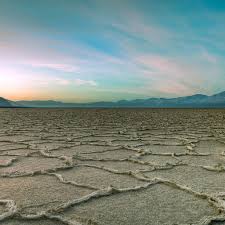
What is the Land of the country? Draw a picture |
|
|
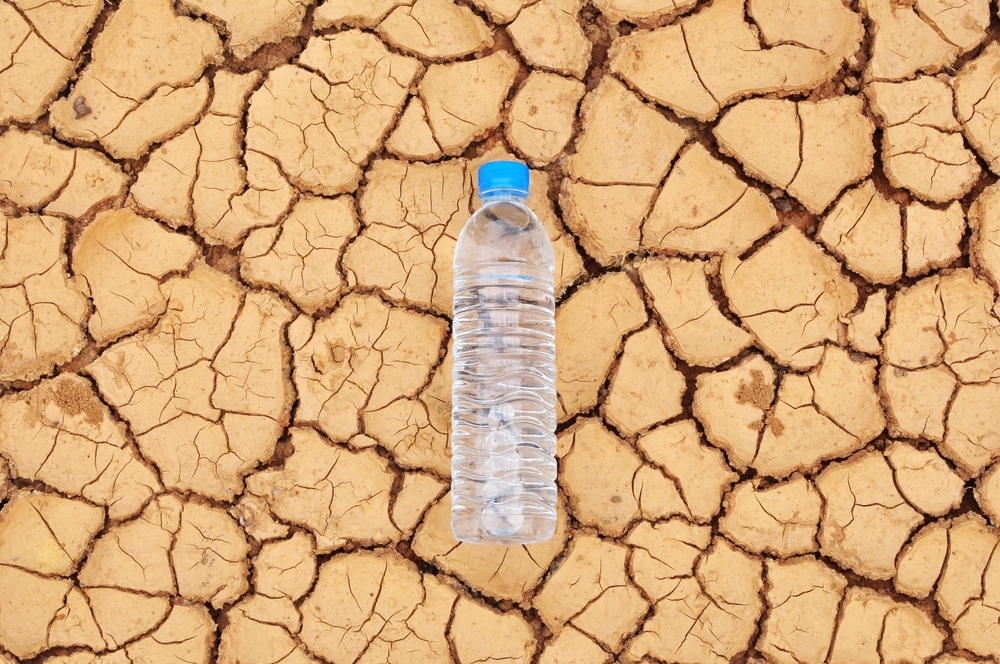
What is the water crisis? |
|
|
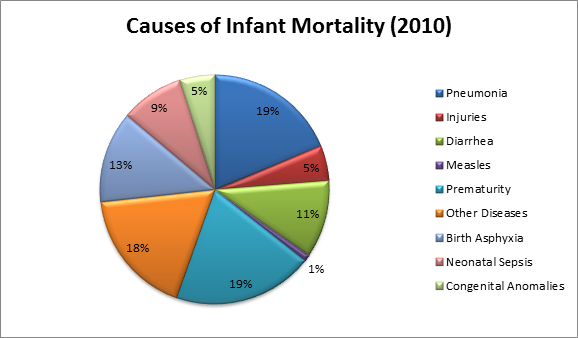
Find three statistics (population, poverty, infant mortality, pollution, etc.) |
|
|
What are some of the problems? |
|
|
What do you think can be done?
|
|

WATER WORLD WORDS
1) The water is clean. I can drink it. ______________________

2) A crisis is a really very bad time. __________________________

3) I like to draw pictures in color.____________________________
4) I turn on the faucet to wash my hands._____________________
5) Geography is where a country is in the world and what it looks like (mountains, deserts, rivers, lakes…)
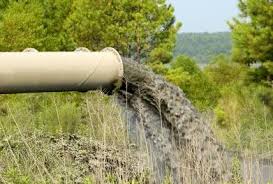
6) Pollution makes water dirty and bad to drink.

7) A poster is a piece of paper that you turn into a sign.
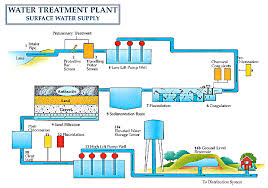
8)A Water Treatment Plant takes our dirty water and makes it clean.
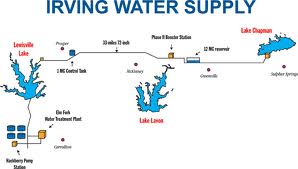
9) Every city and country has a place where they get water, or a water supply. Where does the city of Irving get its water from?
10) The men and women who clean, bring, fix and maintain our water supply work in the Water Department.
Evaluation
Group Presentation
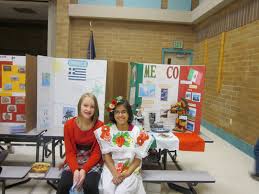
Each group will be presenting their countries water crisis based on the research found from the WebQuest. Students will have a chose to create a poster, powerpoint, or written/oral report. The presentation needs to include the following information about the country: description of the geography of their country, description of the water crisis, relevant statistical information, issues that are country/region specific, and recommendations. A rubric will be completed for all of the students based upon their ability to assist in the process of creating a poster, powerpoint, or written/oral report. Individual organizers completed during this process will also be turned in and graded.
Water Crisis Rubric
Name: ______________________ Date: _________________
|
CATEGORY |
4 |
3 |
2 |
1 |
|
Preparation |
The student researched topic and extra resources. The student came prepared with visuals. |
The student researched topic and extra resources. |
The student assisted in researching the topic. |
The student provided no assistance in researching the topic. |
|
Participation |
The student engaged in discussions with team members, worked cooperatively with others, and provided relevant information on the topic. |
The student engaged in discussions with team members, worked cooperatively with others, and provided an interest in the topic. |
The student engaged in discussions with team members, and worked cooperatively with others. |
The student engaged in discussions. |
|
Knowledge Gained |
The student is very versatile in the subject area. |
The student can discuss several ideas and demonstrate that they gained sufficient knowledge.
|
The student can demonstrate some knowledge gained.
|
Student showed little interest in the subject matter.
|
|
Short Essay Response |
The student is able to summarize the water crisis in their given country and discuss the importance of the subject matter.
|
The student is able to summarize the water crisis in their given country and discuss specific details they have learned.
|
The student can discuss a few of things they have learned about the water crisis.
|
The student cannot present a reasonable response that discusses what they learned.
|
|
Overall Behavior |
The student was an excellent contributor to the project
|
The student was a good contributor to the project |
The student was an adequate contributor to the project |
The student was not actively engaged in the project
|
Conclusion
Visual Display/Questions
Now that you have worked collaboratively in groups to learn about the water crisis occuring in a different country, it is time to let your classmates see all of the wonderful work you have done. Display your poster and put up additional information you have learned about your country. Your classmates and teachers will be able to walk around to each country and ask questions. Have fun showing everyone all of your hard work!
Credits
This WebQuest was created by Chris, Sandy, Ann, and Lisa for their TESOL 507 - SCHOOL, COMMUNITY, AND FAMILY CULTURE class that they are taking through University of Phoenix Online.
Teacher Page
[img_assist|nid=12028|title=Stop global warming|desc=|link=none|align=left|width=356|height=326]
INTRODUCTION
As population levels rise around the world, access to fresh water will fall. As the water decreases, competition for scant and scarce supplies will only increase, and while wars of the 20th century were fought over oil, futurists predict 21st century wars will be fought over water.
In addition, as the planet heats up, climatic conditions will change drastically. The water sources for American West and Southwest will begin to dry up as less rain and snow fall. Drought conditions persist; little precious water left to fight the inevitable fires.
Our students know little about their own water supply, let alone the world’s. This WebQuest seeks to alleviate that deficiency, by using diverse learning strategies and assessments for diverse learners, a principle of culturally responsive teaching. Students will hear, draw, research, synthesize information, create, draw, present, using all their learning modalities. They will play a significant part in developing the activity in their cooperative groups and can control some portion of time of the lesson with their research, poster, and presentation, another guiding principle.
Water is both an easy and difficult subject. For young unaware American students its ubiquitous nature makes it easy to ignore. “Where does water comes from? A faucet, dude. End of story.” It is essential that the teacher/facilitator, who is more of a guide on the side than a sage on the stage, keep a positive attitude and a measurable amount of enthusiasm. There are difficult elements in the process but with the teacher’s communication of high expectations students will be successful because they are told they will be.
Utilization of diverse learning strategies; teacher as facilitator; reshaping the curriculum; student-centered, student-controlled classroom discourse will be culturally responsive teaching strategies that are used in this WebQuest. Students will use multiple learning strategies as they research their country. They will be engaged in developing their project. The teacher will guide on the side. The project will be interdisciplinary, using language arts, math, geography, science, and communication.
Water World Lesson
Objective
Students will be able to research water conditions for other countries (Bangladesh, Iraq, Costa Rica, India, and Kenya) around the world. For the purposes of this WebQuest, we have chosen five, but any five can be selected, perhaps based on the other cultures represented by the students in your class. This will help create culturally responsive teachers who gain knowledge of their students’ backgrounds. Students will develop a more heightened awareness of water, its supply and treatment, by accessing their city’s water department management website; learning where their water comes from and where it goes. Students will be able to present their research finding in a presentation form of their choosing. They will gather, evaluate, and synthesize data. They will apply their knowledge of language conventions and media techniques to create, critique, and discuss.
Class
Middle to high school. Ages 10 – 15.
Duration
2-3 days
Materials
1) I-Pads (or computer access)
2) Research Packet (one for each student)
3) Globe/Map (optional)
4) Poster paper, pencils, markers, glue, scissors
5) Index cards, overhead transparencies
6) Bucket, soap, measuring cup, timer (or…)
7) Toothbrushes (2 new), toothpaste
8) Appropriate sink
LEARNERS
There are a total of 19 students in our middle school classroom. Our demographics includes 11% African American, 21% Hispanic, 11% Asian, 47% Caucasian, and 11% other nationalities. There are 10 boys and 9 girls in the classroom. 37% of the students are on free and reduced lunch. All of the students are at the intermediate to fluent stage of language proficiency. The following languages are spoken at home: English, Urdu, and Spanish. Three of the students (16%) in our class our provided with ESL services for academic language, which includes writing. Three students (16%) are currently receiving reading or math intervention. Four of the students (21%) attend gifted education classes. Modifications are provided within the classroom for all students based upon academic performance. 47 % of the students are performing at grade level, 27 % below grade level, 26% are above in the area of math. In the area of reading, 40 % are at grade level, 34 % are below grade level, and 26% of students are above grade level.
[img_assist|nid=12312|title=water Crisis Around the World|desc=|link=none|align=center|width=240|height=180]
STANDARDS
NL-ENG.K-12.1
Reading for Perspective: Students read a wide range of print and non-print documents to build an understanding of texts, of themselves, and of the cultures of the United States and the world.
NL-ENG.K-12.3
Evaluation Strategies: Students apply a wide range of strategies to comprehend, interpret, evaluate, and appreciate texts.
NL-ENG.K-12.4
Communication Skills: Students adjust their use of spoken, written, and visual language to communicate effectively with a variety of audiences and for different purposes.
NL-ENG.K-12.5
Communication Strategies: Students employ a wide range of strategies as they write and use different writing process elements appropriately to communicate with different audiences for a variety of purposes.
NL-ENG.K-12.6
Applying Knowledge: Students apply knowledge of language structure, language conventions, media techniques, figurative language, and genre to create, critique, and discuss print and non-print texts.
NL-ENG.K-12.7
Evaluating Data: Students conduct research on issues and interests by generating ideas and questions, and by posing problems. They gather, evaluate, and synthesize data from a variety of sources to communicate their discoveries in ways that suit their purpose and audience.
NS.9-12.6
Science in Personal and Social Perspectives: Personal health/Populations, resources, and environments/Risks and benefits
NSS-G.K-12.2
Places and Regions: Understand the physical and human characteristics of places/ Understand that people create regions to interpret Earth’s complexity/ Understand how culture and experience influence people’s perceptions of places and regions.
NSS-G.K-12.3
Physical Systems: Understand the physical processes that shape the patterns of Earth’s surface/Understand the characteristics and spatial distribution of ecosystems on Earth’s surface.
NSS-G.K-12.5
Environment and Society: Understand how human actions modify the physical environment/ Understand how physical systems affect human systems/ Understand the changes that occur in the meaning, use, distribution, and importance of resources.
NT.K-12.1
Basic Technology Operations and Concepts: Students demonstrate a sound understanding of the nature and operation of technology systems/ Students are proficient in the use of technology.
NT.K-12.2
Social, Ethical, and Human Issues: Students understand the ethical, cultural, and societal issues related to technology/ Students practice responsible use of technology systems, information, and software/Students develop positive attitudes toward technology uses that support lifelong learning, collaboration, personal pursuits, and productivity.
NSS-G.K-12.4
Human Systems: Understand the characteristics, distribution, and migration of human populations on Earth’s surface/ Understand the characteristics, distribution, and complexity of Earth’s cultural mosaics/ Understand the patterns and networks of economic interdependence on Earth’s surface/ Understand the processes, patterns, and functions of human settlement/ Understand how the forces of cooperation and conflict among people influence the division and control of Earth’s surface.
PROCESS
Intro/Hook
Announce to the class that, according to the maintenance workers, they have been using too much water and it will have to be rationed or cut off if they cannot figure out ways to cut down. Brainstorm a quick list of ways to conserve water. Make sure washing hands or brushing teeth is mentioned. Announce that you are going to compare washing hands for 30 seconds with the water running, and for 30 seconds turning it off and on only when rinsing (another possible experiment is brushing teeth with the same water usage comparisons). Time. Measure. Compare.
Pose the Question
Where does our water come from? Where does it go?
Student research packet
Students will distribute packets and discuss the activity. Students will assemble in cooperative groups (the behavior and expectations of which will have been made explicit and modeled previously by teacher and class alike). They will choose a country or will be assigned one (with water issues, preferably).
Water World Activity
Students will research their respective countries, filling out the country quest packets together. They will use information from the WebQuest to create a presentation product.
Presentation
Teacher will explain the final product and assessment tool. Students may create a presentation product in a manner of their choosing among the following choices:
• Poster
• Powerpoint
• Written/oral report
Assessment
Students will be assessed authentically, based on their presentation product. Teacher will explain the rubric to be used and explain the expectations of the finished product (Please see rubric below).
Water Crisis Rubric
Name: ______________________ Date: _________________
CATEGORY | 4 | 3 | 2 | 1 |
Preparation | The student researched topic and extra resources. The student came prepared with visuals. | The student researched topic and extra resources. | The student assisted in researching the topic. | The student provided no assistance in researching the topic. |
Participation | The student engaged in discussions with team members, worked cooperatively with others, and provided relevant information on the topic. | The student engaged in discussions with team members, worked cooperatively with others, and provided an interest in the topic. | The student engaged in discussions with team members, and worked cooperatively with others. | The student engaged in discussions. |
Knowledge Gained | The student is very versatile in the subject area. | The student can discuss several ideas and demonstrate that they gained sufficient knowledge.
| The student can demonstrate some knowledge gained.
| Student showed little interest in the subject matter.
|
Short Essay Response | The student is able to summarize the water crisis in their given country and discuss the importance of the subject matter.
| The student is able to summarize the water crisis in their given country and discuss specific details they have learned.
| The student can discuss a few of things they have learned about the water crisis.
| The student cannot present a reasonable response that discusses what they learned.
|
Overall Behavior | The student was an excellent contributor to the project
| The student was a good contributor to the project | The student was an adequate contributor to the project | The student was not actively engaged in the project |
Resources
BBC (2012, September 1). The water 'crisis'. Retreived from
http://news.bbc.co.uk/today/hi/today/newsid_9747000/9747910.stm
Blue Planet Network (2014). Improving the impact of water and sanitation projects worldwide. Retrieved from
Blueplanetnetwork.org
Brainpop (2014). Water shortages. Retrieved from http://www.brainpop.com/search/search.weml?keyword=water+shortages
Brain Pop (2014). Water supply. Retrieved from http://www.brainpop.com/science/earthsystem/watersupply/preview.weml
Brain Pop (2014). Water pollution. Retrieved from
http://www.brainpop.com/science/ourfragileenvironment/waterpollution/pr… (Brain Pop - Water Pollution)
City of Chicago (2014). Water management. Retrieved from
http://www.cityofchicago.org/city/en/depts/water.html
National Geographic (2014). Global warming solutions. Retrieved from
http://environment.nationalgeographic.com/environment/global-warming/gw…
National Greographic (2014). Retreived from http://www.nationalgeographic.com/
(a search at National Geographic on 'water' brings up a dozen different articles)
Tresco, B.D. (2005). A Kid’s Guide to Drawing the Countries of the World. Power Kids Press.
[img_assist|nid=12247|title=ELL pics1|desc=|link=none|align=left|width=270|height=158]