Introduction
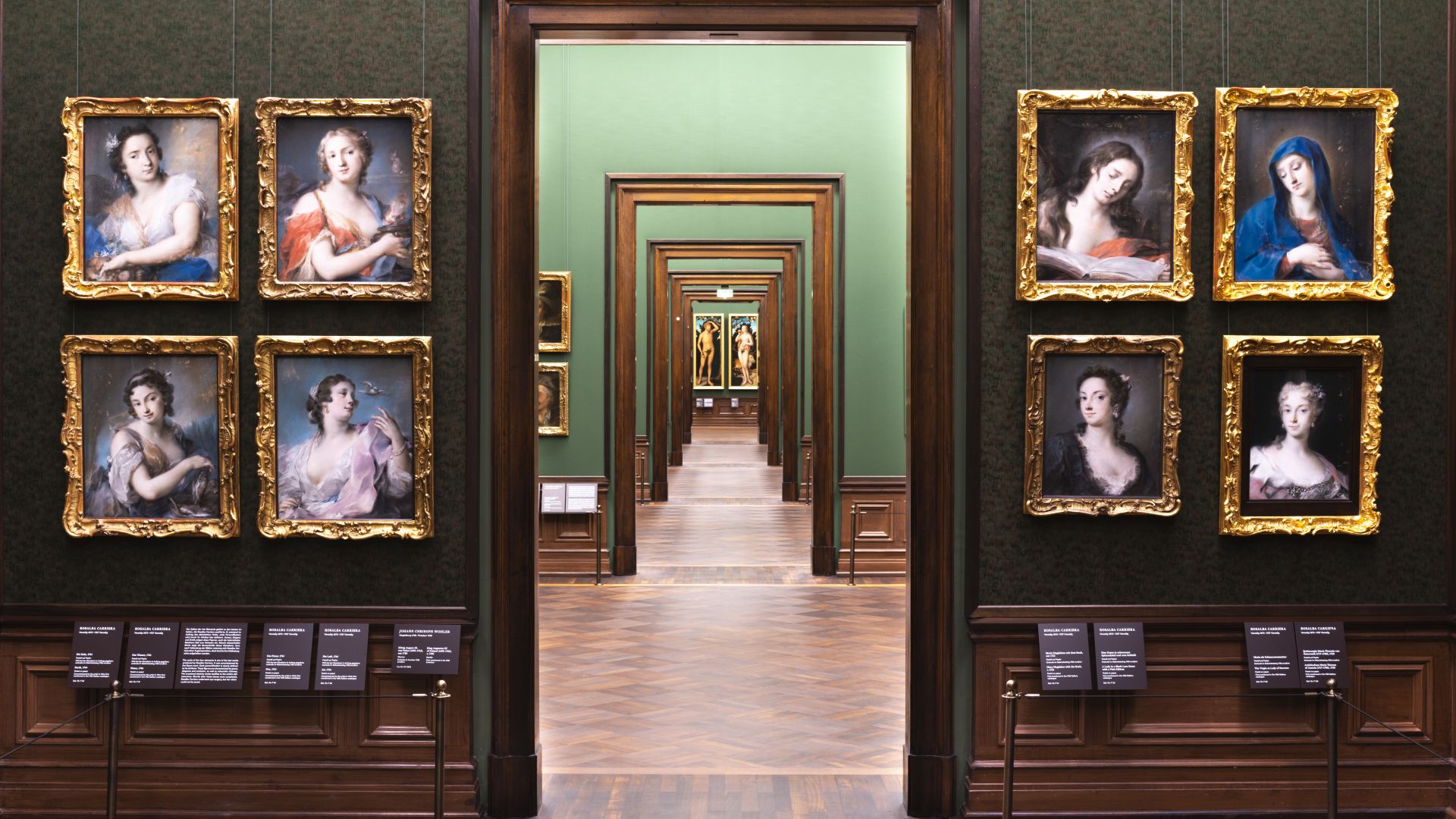
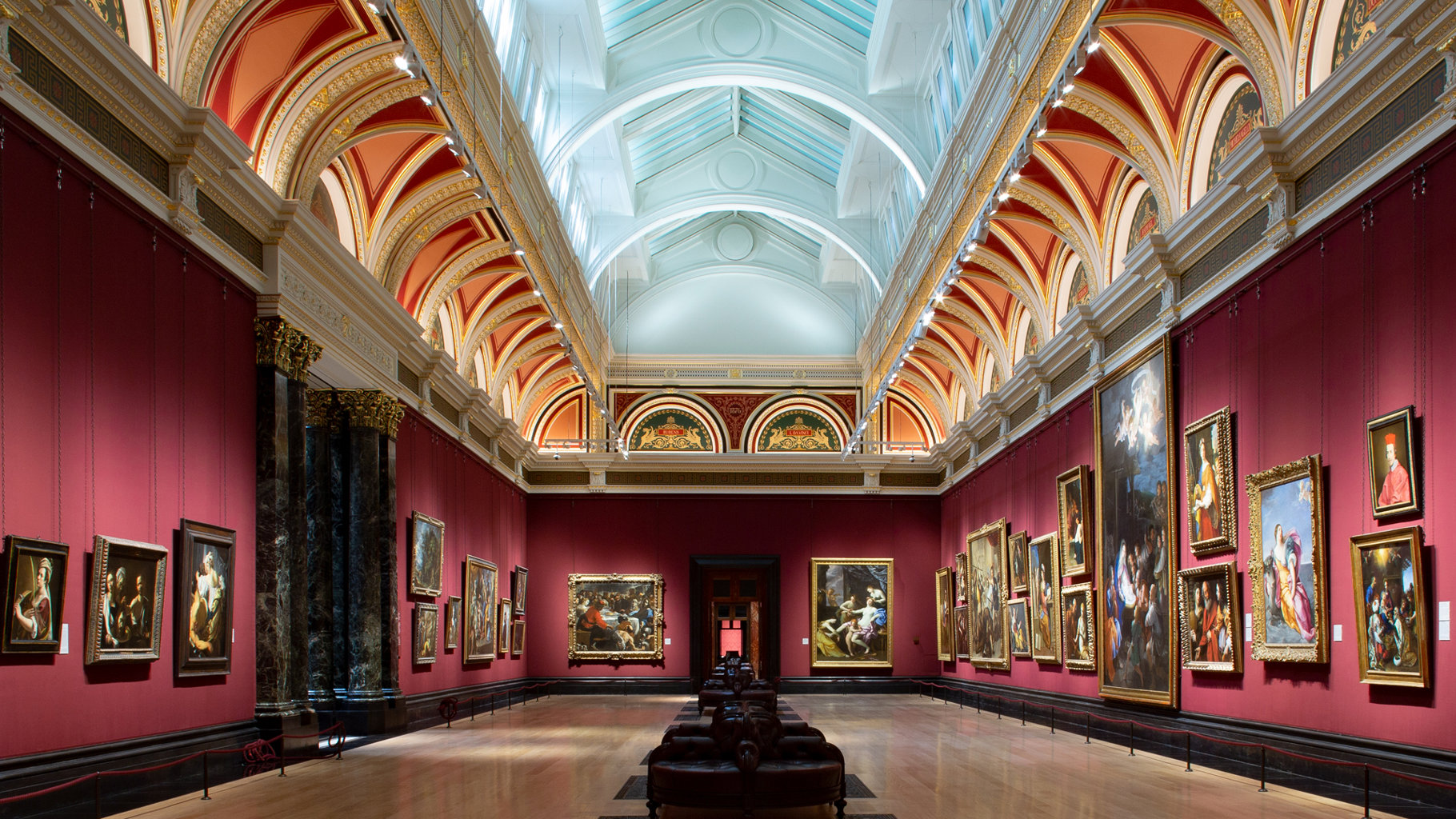
Have you ever stood in front of a painting and felt that it was telling you a story? A portrait, a landscape, a still life — each genre opens a new window into the world of beauty, symbolism, and emotion. In this WebQuest, you will become explorers of the art world. Together with your classmates, you will dive deep into the genres of painting and discover what they reveal about us and our culture. Let’s prepare to visit a virtual gallery, investigate works of great masters, and create your own vision of a modern exhibition!
Task
Your mission is to research, analyze, and creatively present one painting genre. Working in groups, you’ll select a genre and create an interactive virtual exhibition. This task will allow you to explore the historical context, key works, symbolic elements, and cultural relevance of the chosen style. You’ll also explore how the genre can be interpreted or reimagined today.
Your group will:
-
Choose one genre (e.g., portrait, landscape, still life, historical, or genre painting).
-
Explore its origins and evolution.
-
Analyze key artworks.
-
Create a digital presentation or gallery (via Google Slides, Canva, Padlet, Genially, or a custom site).
-
Include modern comparisons, symbolic interpretations, and your own creative responses (e.g., short videos, memes, posters, visual essays).
-
Present your gallery and reflections to the class.
Process
-
Learn about your genre
Use the following resources to understand the background, features, and key artists of your chosen painting genre:
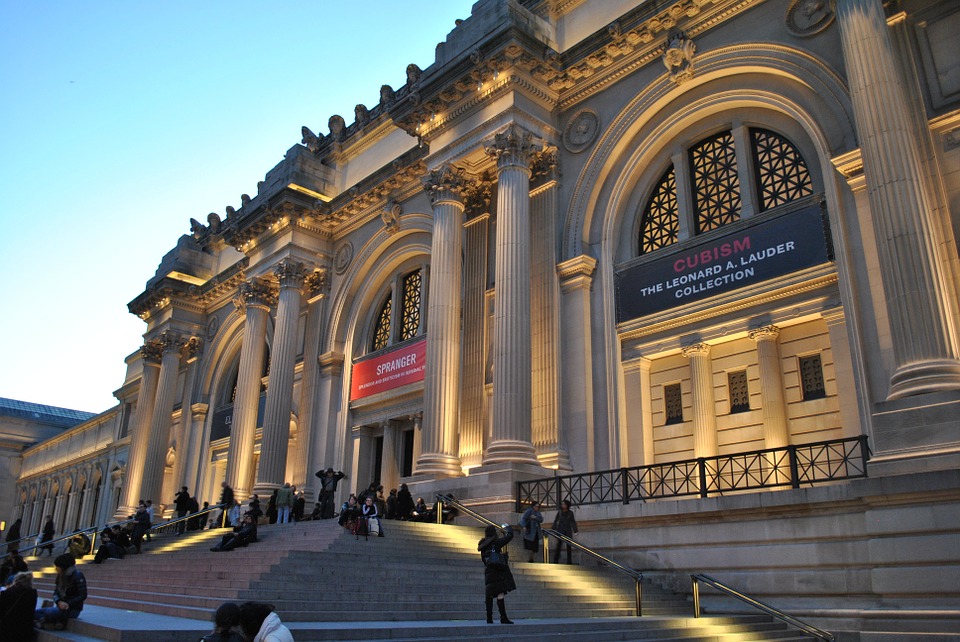

- Louvre Museum Virtual Tour

-
Enrich your exhibition with:
2. Look at and analyze paintings
Choose 2 or 3 representative paintings from your genre. Use these guiding questions: -
What do you see? (People, objects, mood, colors?)
-
What feelings or ideas does the artwork express?
-
What makes this painting typical or unique for the genre?
6. Present your work
Share your gallery with the class. Highlight your creative decisions and discoveries. Be prepared to answer questions.
7. Give and receive feedback
View others’ exhibitions. Share thoughtful comments on:
What you liked most
One thing that could be improved
Make it interactive! You may include:
Labels and artwork captions
Video or audio guides
Visitor polls or quizzes
A soundtrack or ambient audio
5. Build your gallery
Use free tools to create your project:
4. Take on creative roles:
Art Time Traveler: Reimagine your genre with today’s tools (digital art, memes, social media).
Symbol Decoder: Identify symbols and meanings in artworks and how they relate to modern issues.
Digital Curator: Build the virtual exhibition layout, organize artworks, and add descriptions.
Art Commentator: Write creative reflections (blog entries, voiceovers, short videos) for your exhibition.
Example:
Painting: The Milkmaid by Johannes Vermeer
What I see: A woman pouring milk in a quiet kitchen. The light is soft and natural.
How it connects to today: This genre painting captures daily life — just like Instagram photos today. It celebrates ordinary moments.
3. Imagine a modern version of the genre
What would this genre look like if it emerged today? Could it include:
Influencer portraits? A surreal TikTok-style still life?
AI-generated landscapes? A meme-style historical artwork?
Evaluation
Project Evaluation – Total: 12 points
1. Creativity and Originality – 3.5 points (30%) You get points for:
-
Coming up with new and unique ideas
-
Showing a different or interesting way to present your work
-
Using tools or materials in a creative way
How it’s graded:
-
3.5 points – Very original and creative
-
2.5–3 points – Creative idea, but could be more unique
-
1.5–2 points – Some creativity, but not strong
-
0–1 point – Not very original or creative
2. Depth of Artwork Analysis – 3 points (25%) You get points for:
-
Explaining the meaning behind the artworks you studied
-
Giving examples and details
-
Showing that you thought deeply about the art
How it’s graded:
-
3 points – Very detailed and thoughtful analysis
-
2–2.5 points – Good explanation, but could go deeper
-
1–1.5 points – Basic understanding
-
0–0.5 points – Very little or no analysis
3. Connection to Genre’s Style and Ideas – 2.5 points (20%) You get points for:
-
Showing how your project relates to the painting genre
-
Using ideas, themes, or stylistic elements from the genre
How it’s graded:
-
2.5 points – Strong and clear connection
-
1.5–2 points – Some connection, but not clear
-
0.5–1 point – Very weak connection
-
0 points – No link to genre’s style or ideas
4. Teamwork and Collaboration – 1.5 points (15%) You get points for:
-
Working well with others
-
Sharing ideas and helping your group
-
Respecting others’ opinions
How it’s graded:
-
1.5 points – Excellent teamwork
-
1 point – Mostly worked well with others
-
0.5 points – Some problems with teamwork
-
0 points – Did not work well with the team
5. Presentation Quality – 1.5 points (10%) You get points for:
-
Speaking clearly and confidently
-
Showing your project in an organized and interesting way
-
Keeping the audience engaged
How it’s graded:
-
1.5 points – Very clear and strong presentation
-
1 point – Clear, but could be more engaging
-
0.5 points – Hard to follow
-
0 points – Very unclear or no presentation

Conclusion
Great job, Art Explorers! You’ve just stepped into the world of art history, creativity, and communication. By diving deep into a painting genre, you’ve uncovered the stories, styles, and symbols that define how we express ourselves through visual art. You’ve not only learned about classic masterpieces but also reimagined them in today’s cultural landscape. That’s what real artists and thinkers do — they connect the past with the present to shape the future.
Now ask yourself:
-
What genre resonated most with you, and why?
-
How might you continue exploring or even creating within that genre?
-
Could you imagine organizing a real exhibition one day?
Remember: art is alive — and your voice as a viewer and creator is part of its story.
Keep creating. Keep asking questions. Keep seeing what lies beyond the canvas!