Introduction
Art has been useful in liturgy from time immemorial. Both in the Old and New Testament we encounter aspects associated with liturgical art. In Christian history, art has also played a significant role in catechesis, expressing faith, and revealing doctrines. This WebQuest aims at exploring the rich world of liturgical art, discover its significance in history and how it impacted on worship and Catholic spirituality. Liturgical art encompasses a wide range of creative expressions, from architecture, icons, stained glass windows, sacred textiles, and paintings. Through this WebQuest, you will research on the historical developments of liturgical art. You will gain a deeper understanding of the role of art in enhancing liturgical experiences, foster a sense of connection with the divine and be helped in the practical utilization of art for liturgical purposes.
Task
This WebQuest aims at developing an appreciation of the significance and role of liturgical art in worship and spirituality of the Catholic Church. It also aims at exploring the historical developments of liturgical art, including its evolution, styles, and influences. It also desires to help identify and analyze symbolisms and theological meanings behind various forms of liturgical art. It also aims at fostering critical thinking, interpretation and creative expression for both clergy and laity whenever they desire to design church buildings, make renovations, or introduce any liturgical art in their liturgical space.
Process
First Step - Even though amongst the commandments Jews had been commanded not to worship any gravened images, this does not entail a blanket ban to visual arts in their liturgical space. God commanded the making of some of the icons they used (Exodus 25:18-22; Numbers 21:8-9).
Analyzing the following sources, identify roots of liturgical art in the Jewish religious environments. Identify their names and symbolic meanings that gave a liturgical impression.

https://www.metmuseum.org/essays/jewish-art-in-late-antiquity-and-early-byzantium
https://chayacassano.commons.gc.cuny.edu/iconography/jewish-identity-and-the-paintings/
https://en.wikipedia.org/wiki/Ancient_Jewish_art
Second Step - Early Christians utilized some liturgical ideas from the Jewish background. At this stage, identify the ideas from the Jewish places of worship and sacrifice that the early Christians copied.
Use the following sources compare and contrast the Jewish and early Christian backgrounds of liturgical spaces and expressions.
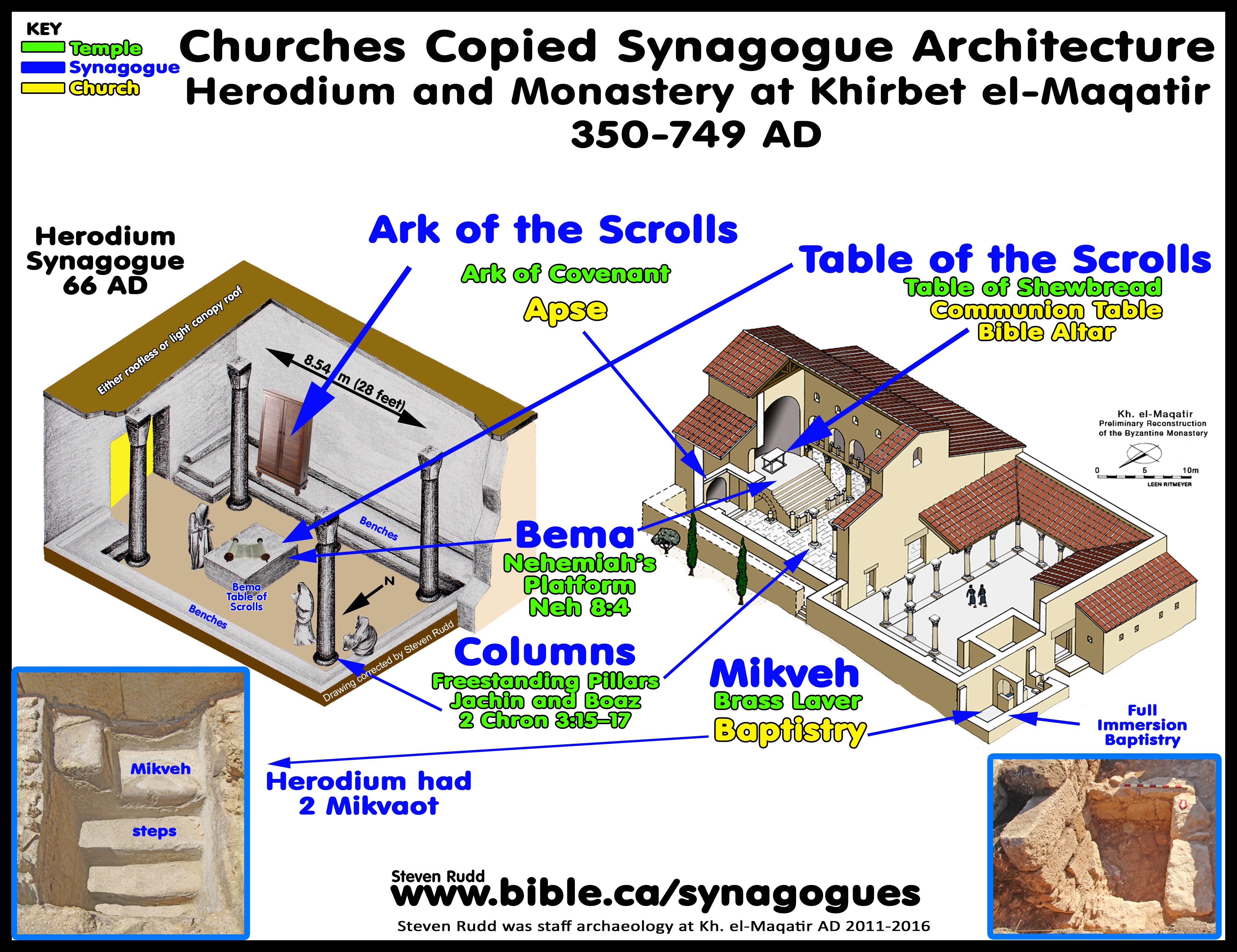
https://www.bible.ca/synagogues/
https://pressbooks.pub/art100/chapter/early-jewish-christian-art/
Step three - In 318AD, Christianity was legalized in the Roman empire. This influenced the development of liturgical spaces. The donations of basilicas by emperor Constantine influenced certain liturgical art in the history of the Catholic Church. The Christians had to move from using their houses and catacombs as places of gathering for worship into the donated buildings. This influenced the building of places of worship and liturgical art. At this stage, explore some of the architectural designs of the Roman empire that are still in use today. Using the following videos, identify also how Christians have blended Jewish, Roman and Christian motifs in their liturgical places.
Background of basilicas see video https://study.com/academy/lesson/video/the-ancient-roman-basilica-architecture-lesson-quiz.html
Basilica style
History of St Peter's Basilica
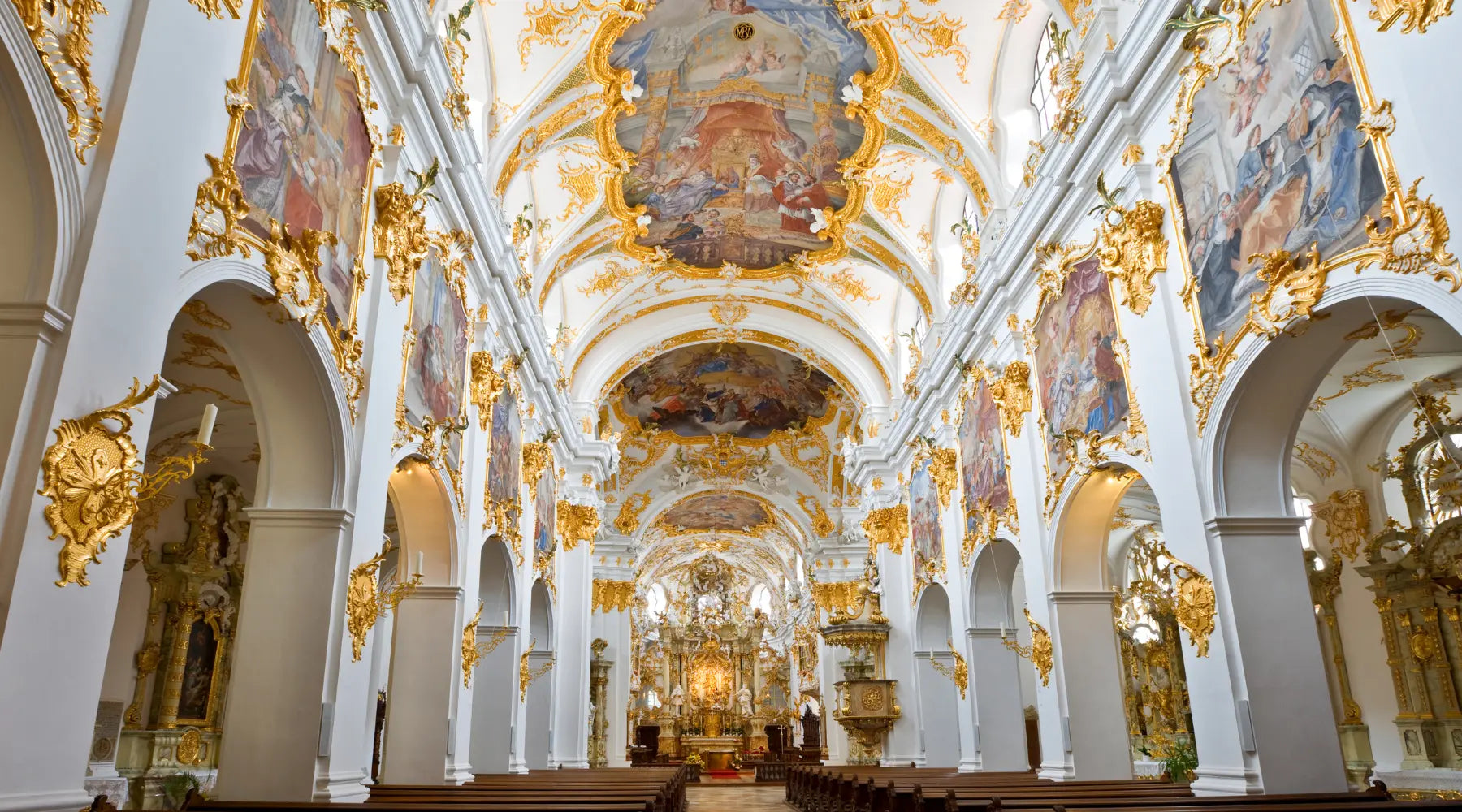
Step Four - There are different waves of spirituality, philosophical and theological developments that influenced different types of liturgical art. At this stage, try to identify the background ideas that influenced the Gothic cathedrals, Baroque style and Rococo styles. Use the following sources.
Gothic style https://www.bing.com/images/search?

Baroque and Rococo style https://cdn.shopify.com/s/files/1/0534/1718/1337/files/germany-old-chapel-alte-kapelle-interior-bavarian-rococo-style.webp?v=1664362016
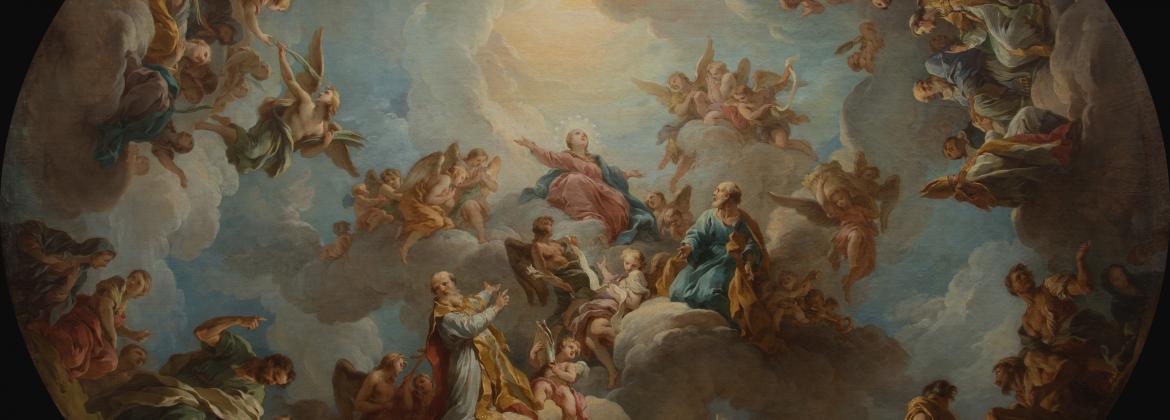
https://en.wikipedia.org/wiki/File:Ata%C3%ADde_-_capela_St_Barbara.jpg

Step Five - At this last stage, you are to identify architectural designs, icons, and liturgical symbols that you may include for a new church design or renovations of an old church in your parish of origin. Try to utilize the ideas you researched in the above stages and also reveal your own creativity coming up with new ideas that give meaning according to your local cultural background.
Additional Sources
for expressing faith https://1.bp.blogspot.com/-Mhtj9gVYtWA/Wx9efmu7cHI/AAAAAAAA7yQ/e320DvvJYewO5gBGuy ecIggkgbxmc76jwCLcBGAs/s1600/219709.b.jpg
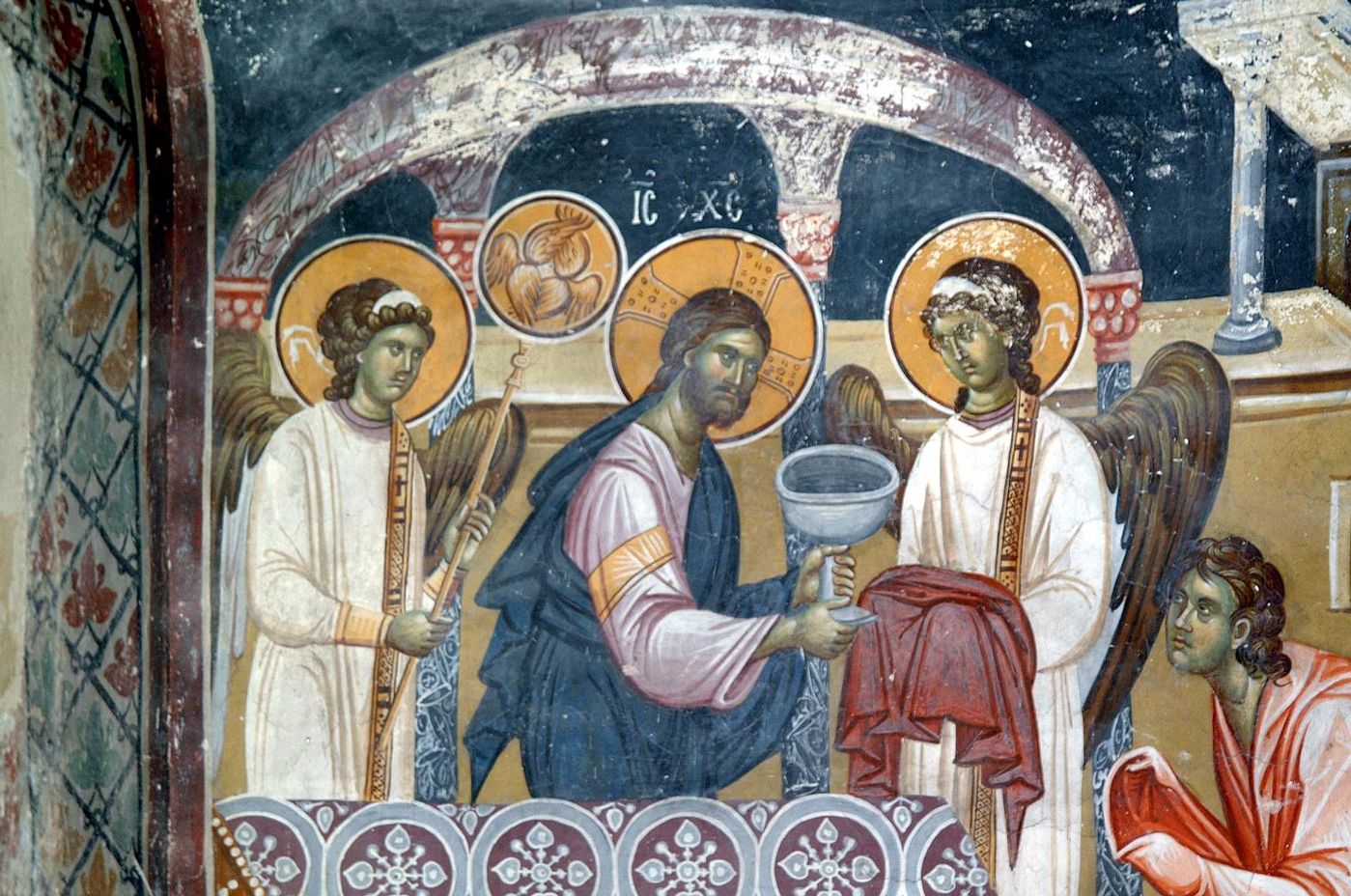
for catechesis https://3.bp.blogspot.com/-QNC5ZjSiwlE/W-lQ3szIw6I/AAAAAAABCjw/3aJaCCl18sgkppaOyK5HAOmHVxeEC_nMgCLcBGAs/s640/2.jpg

https://blog.artsper.com/en/lifestyle/5-michelangelo-paintings-you-should-know/

for creating an environment conducive for praise and worship https://live.staticflickr.com/3909/14210352417_ee005cdd93_b.jpg

Zimbabwean style https://www.bing.com/images/search?

Evaluation
|
Outstanding 100-90 |
Good 89-70 |
Fair 69-50 |
Poor 49-0 |
Total | |
| Understanding and Responding to Content |
Excellent use of ideas Relevant sources |
Good use of ideas Relevant sources |
Little/limited use of ideas | No use of ideas | 10 |
| Identification of Liturgical Significance |
Excellent reflection of theological themes Meaningful symbols Included at least four symbols |
Good reflection of theological themes Meaningful symbols Included at least three symbols |
Limited theological themes Limited symbols Included at least two symbols |
No clear theological themes No symbols No inclusion of symbols |
15 |
| Creativity and Originality |
Excellent knowledge Substantive and creative Excellent aesthetic appeal Thought provoking |
Good knowledge Substantive and creative Strong aesthetic appeal Thought provoking |
Limited knowledge Limited creativity Limited aesthetic appeal Limited thought provoking |
No knowledge Poor creativity No aesthetic appeal Not thought provoking |
15 |
| Cultural Sensitivity |
Excellent Liturgical settings Excellent Catholic identity Zimbabwean context |
Good liturgical appeal Good Catholic identity Zimbabwean context |
Limited liturgical appeal Catholic identity No Zimbabwean context |
No liturgical appeal No Catholic identity No Zimbabwean context |
10 |
Conclusion
Our WebQuest has explored the Jewish roots of liturgical art and its development in Christian history. It has revealed that the Jews used architecture, icons, and symbolic meanings to express their faith and doctrines. These ideas were borrowed by Christians who later own utilized other ideas from the Roman and different artistic designs to modify their designs and liturgical expressions. Through this research and analysis, learners gain a deeper understanding and significance of liturgical art in expressing theology and enhancing worship. At the end, learners will be able to utilize these ideas from history, direct and influence own designs of liturgical spaces.
Teacher Page
Level Diploma/degree in Theology
Subject Liturgical Theology
Overview
This WebQuest is meant to help learners to have an appreciation of the use of art for liturgical purposes in the history of Christianity. However, as Christians did not invent religion as it was founded on Jewish foundations, it aims at helping learners to identify Jewish religious motifs that influenced Christians in expressing their faith through architectural designs, icons, paintings and symbolic meanings. At the end of this WebQuest, learners should be able to utilize ideas from history to create their own designs.
Objectives
1. To understand Jewish and Christian liturgical symbolisms and their meaning.
2. To understand the historical and cultural contexts that shaped church designs and theological expressions.
3. To help learners appreciate the role of art in worship, develop aesthetic awareness, enhance liturgical experience, and facilitate devotion.
4. To influence creativity and new innovations in church designs.