Introduction
Zimbabwe, a landlocked nation in southern Africa, boasts a rich and diverse cultural heritage shaped by its complex history (Mlambo, 2013). From the ancient stone structures, such as Great Zimbabwe, to the vibrant traditions of its people, Zimbabwe's history is a testament to the resilience and creativity of its communities (Garlake, 1973). With over 16 official languages and a multitude of ethnic groups, including the Shona and Ndebele, Zimbabwe's cultural landscape is characterized by a dynamic interplay of traditions, customs, and beliefs (Mandiyanike, 2009).
The map of Zimbabwe showing its provinces and major cities
Zimbabwe's history has been influenced by various factors, including the legacy of colonialism, the struggle for independence, and the efforts to build a unified national identity (Ranger, 1985). The country's cultural heritage is reflected in its vibrant traditions, music, and art (Chitando, 2002). The Shona and Ndebele people, two of the largest ethnic groups, have a rich cultural heritage that includes traditional music, dance, and art (Matyszak, 2012).
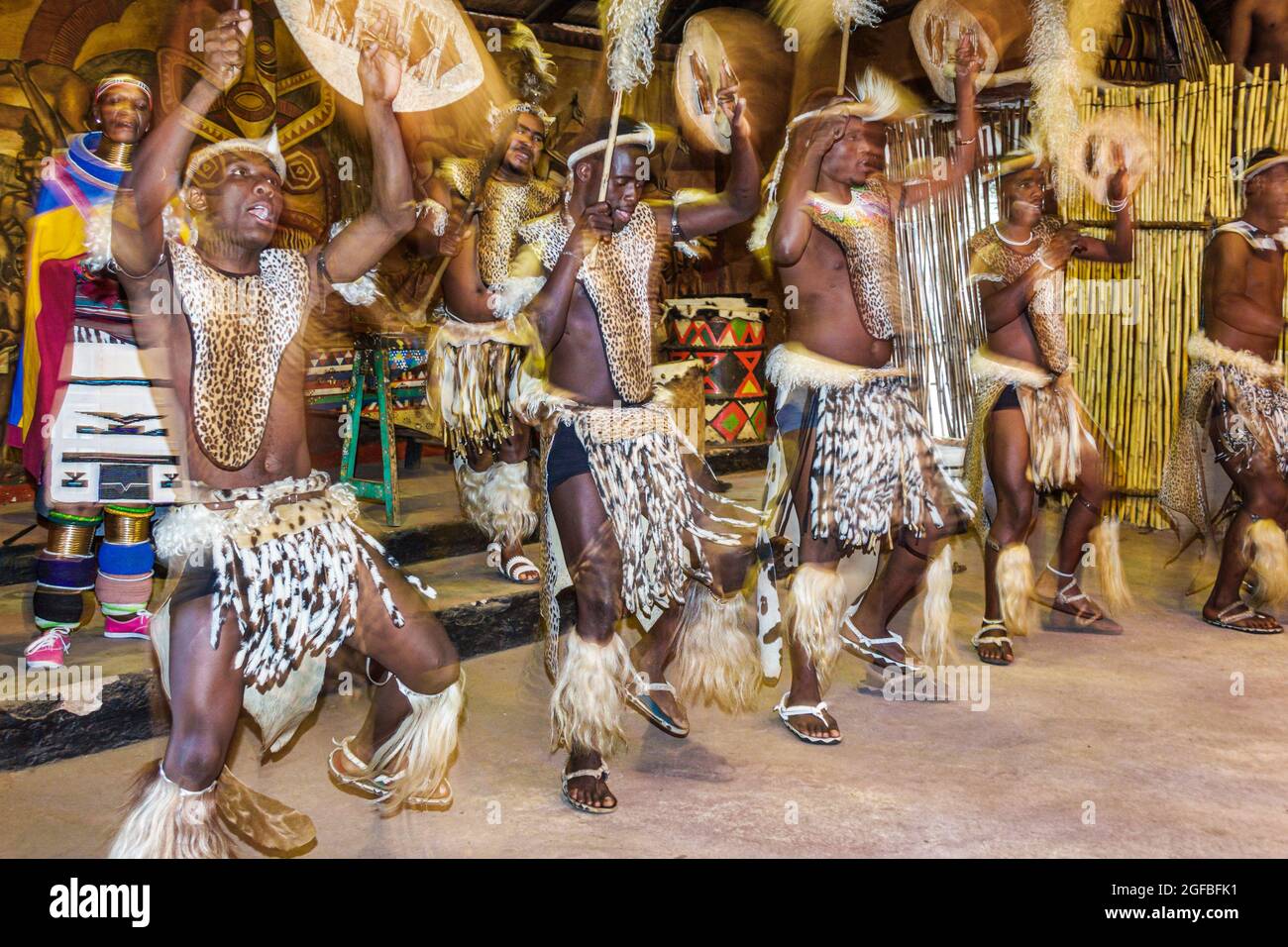
Ndebele dance performance group
Important Figures
Zimbabwe has produced many important figures who have shaped the country's history and culture. These include national heroes like Robert Mugabe and Joshua Nkomo, who played key roles in the country's struggle for independence (Kriger, 2003). Other notable figures include writers like Chenjerai Hove and Dambudzo Marechera, who have contributed to the country's literature. The country's history has been influenced by various factors, including the legacy of colonialism, the struggle for independence, and the efforts to build a unified national identity (Ranger, 1985).
A photo of Robert Mugabe
This blend of historical depth and cultural diversity has given rise to a unique Zimbabwean identity that is both deeply rooted in tradition and dynamically evolving. The history of Zimbabwe(Chinhoyi Caves)
The significance of this WebQuest
Understanding Zimbabwe's community history and culture is essential for building a cohesive society (Kriger, 2003). By exploring the history, culture, and important figures of local communities, individuals can gain a deeper appreciation for the country's rich cultural heritage and its relevance to contemporary society.
This WebQuest aims to;
- Explore and understand Zimbabwe's rich cultural heritage and history
- Appreciate the diversity of traditions, customs, and beliefs of different ethnic groups
- Learn about important figures who have shaped the country's history and culture
- Gain a deeper understanding of the local community and its place within the broader context of Zimbabwean history and culture
- Develop research, critical thinking, and presentation skills through hands-on activities.
Through research, creativity and collaboration, the researcher will develop a deep understanding of the challenges and opportunities facing these communities and contribute to the development of initiative solutions for a more sustainable future. Explore and understand Zimbabwe's rich cultural heritage and history
Task
This WebQuest is focused on developing an appreciation of the significance of the Zimbabwean Community's history and culture, exploring the historical developments of the Zimbabwean Community including its evolution and change to modernisation, urbanization and as well industrialization. This WebQuest will foster critical thinking, interpretation and creative expression on the history and culture of the Zimbabwean community.
Your Task
In this WebQuest, you will explore your local community, learn about its history, culture, and important figures, and create a presentation to share your findings. You will:
- Research the history and culture of your local community
- Identify important figures who have shaped the community's history and culture
- Create a presentation that showcases your findings
- Share your presentation with the class and discuss what you have learned
Specific Task
You will work in groups to research and present on the following topics:
1. Local History: What is the history of your community?
2. Cultural Practices: What are some important cultural practices in your area?
3. Community Helpers: Who are the key figures that help your community (e.g teachers, health workers)?
By completing this WebQuest, you will gain a deeper understanding of your local community and its place within the broader context of Zimbabwean history and culture.
Process
1. Group Formation
Form groups of 4-5 students and choose a group name from below or create your own group name. Choose a name that resonates with your group's identity and purpose!. Each group will present their findings to the class.
Group names
1. Zimbabwe Heritage Explorers
2. Culture Quest Team
3. History Makers
4. Community Researchers
5. Zimbabwe Cultural Ambassadors
2. Research
Gathering information from provided resources and online sources. Conducting the research, collecting data to better understand the historical background of the Zimbabwean community
Great Zimbabwe ruins
Relevant Links:
Provide links to relevant websites, articles, or multimedia resources that support your research and task completion.
Images and Multimedia:
Include images, videos, or other multimedia elements that enhance your understanding of the topic and support your deliverables.
Use the following links to gather information:
Zimbabwe History-
Cultural Practices in Zimbabwe-
Community Helpers-
https://www.zimbabwehelpers.com
3. Create a Presentation
Use Google Slides or PowerPoint to create a presentation that includes: Community Profile
History of the Community
The Zimbabwean community has a rich and diverse history shaped by the legacy of colonialism and the struggle for independence (Mlambo, 2013). The community's early development was influenced by traditional leaders and settlers who valued agriculture and trade (Ranger, 1985). Over time, the community has evolved, incorporating modern developments while preserving its cultural heritage.
Descriptions of Cultural Practices
Zimbabwean community's cultural landscape is characterized by vibrant traditions, music, and art (Chitando, 2002). The Shona and Ndebele people, prominent ethnic groups in our community, have a rich cultural heritage that includes traditional music, dance, and art (Matyszak, 2012). These cultural practices bring people together and promote social cohesion.
A traditional Shona dance performance
Profiles of Community Helpers
The Zimbabwean community is blessed with dedicated individuals who contribute to its well-being. Community helpers include:
Local Healers:
Providing traditional medicine and health services
Teachers:
Educating children and promoting literacy.
Community Leaders:
Guiding the community and making important decisions.
These individuals play a vital role in shaping our community's identity and promoting its development (Kriger, 2003). Their selflessness and commitment inspire others to get involved and make a positive impact (Mandiyanike, 2009).
Evaluation
| Criteria | Excellent (5) | Good (4) | satisfactory (3) | needs improvement (2-1) | total |
|---|---|---|---|---|---|
|
Research Quality
|
Thorough and accurate | Mostly accurate | Some inaccuracies | Many inaccuracies | 4 |
| Presentation Clarity | Very clear and engaging | Mostly clear | Somewhat clear | Unclear | 4 |
| Teamwork | Excellent collaboration | Good collaboration | Some collaboration | Poor collaboration | 4 |
| Use of Visuals | Effective and relevant | Mostly effective | Some relevance | Irrelevant | 3 |
Total Mark : 15/20
Conclusion
Through this research and analysis, as learners you gain a deeper understanding and significance of the Zimbabwean Community in expressing the different cultures and understand the history of the Zimbabwean community. As learners you will be able to utilize these ideas from historical context and influence your own love for your country's history and culture by;
Appreciating diversity
Recognizing the diverse cultural practices, traditions, and histories within your community can help you appreciate the unique experiences and perspectives of others.
Preserving cultural heritage
By valuing your community's cultural heritage, you can contribute to its preservation and promotion. This can involve participating in cultural events, learning traditional skills, or supporting local artists and artisans.
Community engagement
Understanding your community's history and culture can inspire you to get involved in local initiatives and projects that promote positive change. This can include volunteering, community service, or advocating for social justice causes.
Building relationships
By sharing a common cultural heritage, you can build stronger relationships with others in your community. This can lead to a greater sense of belonging, social cohesion, and collective identity.Reflecting on these aspects can help you develop a deeper connection with your community and contribute to its growth and development.
Benefits
1. Gain a deeper understanding of their country's rich cultural heritage. By exploring Zimbabwe's history and culture, learners can develop a nuanced understanding of the country's complexities and diversity.This understanding can help learners appreciate the contributions of various groups and individuals to Zimbabwe's development.
2. Develop a sense of pride and love for their country's history and culture. Learning about Zimbabwe's history and culture can instill a sense of pride and appreciation for the country's achievements and resilience. This pride can translate into a deeper love and commitment to preserving and promoting Zimbabwe's cultural heritage.
3. Connect with their identity as Zimbabweans. Understanding Zimbabwe's history and culture can help learners connect with their own identities and cultural roots. This connection can foster a sense of belonging and identity, enabling learners to navigate their place in the world with more confidence.
4. Become better citizens by understanding their community's values, traditions, and history. By understanding the values, traditions, and history of their community, learners can become more informed and engaged citizens. This understanding can enable learners to make positive contributions to their communities and society at large.
Reflection questions:
● How has learning about your community's history and culture influenced your perspective on being Zimbabwean? Consider how your understanding of Zimbabwe's history and culture has shaped your views on national identity, cultural heritage, and community values.
● How can understanding your community's values and traditions help you make positive contributions to society? Think about how you can apply the knowledge and insights gained from studying Zimbabwe's history and culture to make a positive impact in your community.
● What role do you think cultural heritage plays in shaping individual and collective identities? Reflect on how cultural heritage influences personal and collective identities, and how this understanding can promote social cohesion and national unity.
By reflecting on these questions and points, learners can develop a deeper understanding of Zimbabwe's history and culture, and appreciate the significance of cultural heritage in shaping individual and collective identities. Now reflect on what you learned about your community and how these elements connect to your identity as a Zimbabwean. Discuss how understanding your community can help you become a better citizen.
Extension Activities
1. Write a letter to a community helper thanking them for their services.
2. Create a poster showcasing your community's culture.
Credits
Content: Zimbabwean history and culture Sources:
1. Historical records and research on Zimbabwe
2. Cultural insights and traditions of Zimbabwean communities
Teacher Page
Level: Degree-BA African Languages and Culture
Subject: Zimbabwean History
Overview
This WebQuest is meant to help learners to have an appreciation of the Zimbabwean Community History and Culture. Zimbabwe's community history and culture are a vibrant tapestry woven from the threads of its complex past, diverse ethnic groups, and rich traditions. With a history spanning ancient civilizations, colonialism, and independence.
Objective
1. To understand Diverse Ethnic Groups like Shona, Ndebele, and other ethnic groups contribute to the country's rich cultural heritage.
2. To understand 16 Official Languages in Zimbabwe , reflecting the country's linguistic diversity and cultural richness.
3. To help learners appreciate the resilience and creativity of the Zimbabwean people. Zimbabwe's people have demonstrated remarkable resilience and creativity in the face of historical challenges.
4. To help learners to understand the dynamic interplay of traditions in different Zimbabwean communities and their different cultures. The now Zimbabwean Community has a blend of traditional and modern practices, customs, and beliefs that shape the country's identity.
5. To showcase the unique Zimbabwean Identity. A distinct cultural identity that is both rooted in tradition and dynamically evolving.
6. At the end of this WebQuest, learners should be able to utilize ideas from the Zimbabwean history and culture to showcase the cultural richness of Zimbabwe